
Views: 0 Author: Site Editor Publish Time: 2026-07-15 Origin: Site


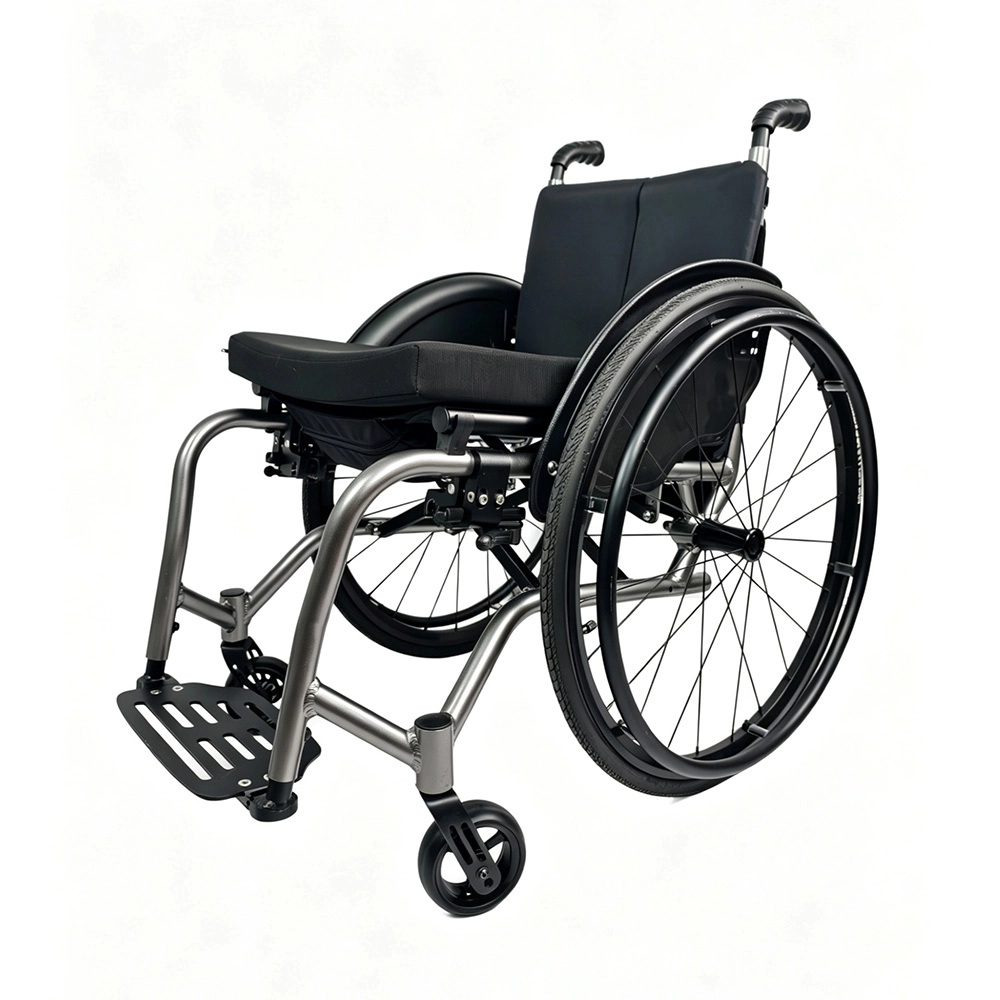
Foldable wheelchairs have long been the backbone of the manual mobility market, offering users a winning combination of practicality, transportability, and affordability. While rigid frames dominate the high‑performance segment, folding designs remain the most popular choice worldwide—particularly for users who travel frequently, have limited storage space, or rely on caregivers for assistance. Behind every reliable foldable wheelchair lies a sophisticated manufacturing ecosystem that balances traditional craftsmanship with modern automation. This article takes you inside a foldable wheelchair factory, exploring the materials, processes, and quality standards that transform raw components into life‑changing mobility devices.
Before diving into manufacturing, it is worth understanding why foldable wheelchairs continue to outsell rigid models in many markets. The side‑folding cross‑brace mechanism, which allows the chair to collapse to a fraction of its width, is unmatched in convenience. Users can store the chair in a car boot, an overhead compartment on a train, or a narrow hallway closet without disassembling major parts. For caregivers, the quick‑fold action reduces physical strain during transfers and loading. Modern foldable wheelchairs have shed their old reputation for being heavy and clunky; today’s designs use lightweight alloys and ergonomic seating to rival the comfort of rigid frames while offering superior portability.
The journey of a foldable wheelchair begins with careful material selection. Factory engineers choose materials that provide adequate strength for daily use while keeping the overall weight manageable for lifting and folding.
Aluminium Alloys: The most common material for premium foldable wheelchairs is high‑grade aluminium, typically 6061 or 7000‑series alloys. These materials offer an excellent strength‑to‑weight ratio and are highly resistant to corrosion. They are easy to extrude and machine, making them ideal for the complex cross‑brace components.
Steel: For entry‑level or bariatric models, steel remains a cost‑effective and durable option. Steel frames can withstand higher weight capacities and are easier to repair in local workshops, but they add significant weight.
Titanium and Hybrids: Some high‑end foldable chairs incorporate titanium tubing for critical stress points, combining lightweight properties with exceptional fatigue resistance. Hybrid designs using carbon‑fibre reinforced plastics are also emerging, though they are less common due to cost.
In leading manufacturing hubs—particularly in Guangdong, Jiangsu, and other industrial provinces of China—factories benefit from established supply chains for aerospace‑grade aluminium and precision steel tubing, ensuring consistent material quality and competitive pricing.
Once raw materials arrive, the fabrication process begins. Unlike rigid frames, foldable wheelchair frames require additional components—hinges, cross‑braces, and locking mechanisms—that must be manufactured with tight tolerances to ensure smooth folding and long‑term reliability.
CNC Tube Cutting and Bending: Computer‑controlled cutting machines produce precise lengths of tubing with minimal waste. Multi‑axis CNC benders then shape the tubes into the required geometries, including the curved side frames and the straight cross‑brace members. Accuracy at this stage is critical, as even minor deviations can cause misalignment during folding.
Machining of Hinge and Joint Components: The cross‑braces and pivot points are often made from forged or machined aluminium or steel. These components require high‑precision milling and drilling to ensure that the pins and bushings fit perfectly. Some factories use robotic machining centres that can produce dozens of identical parts per hour with micrometer‑level accuracy.
Welding and Assembly of the Frame: The side frames are welded using TIG (Tungsten Inert Gas) welding to create strong, clean joints. However, the cross‑braces are typically connected via mechanical fasteners (rivets or bolts) rather than welding, allowing for free pivoting. Skilled workers then assemble the central folding mechanism, installing bushings, pins, and locking levers. The locking system must be robust enough to prevent accidental folding during use but easy to release when needed.
Surface Treatment and Finishing: After welding and assembly, frames undergo surface preparation—including degreasing, sandblasting, and chemical pretreatment—followed by powder coating or anodising. Powder coating provides a durable, chip‑resistant finish available in a wide range of colours, while anodising offers a sleek metallic look with excellent corrosion resistance. This finishing stage not only enhances aesthetics but also protects the frame from sweat, moisture, and environmental wear.
A foldable wheelchair is more than just a frame. Factories source or produce a range of ancillary components that directly impact user experience:
Seating and Upholstery: Breathable, flame‑retardant nylon or polyester fabrics are cut and sewn into seat slings and backrest covers. Some models feature tension‑adjustable backrests or contoured foam cushions for pressure relief. The seat sling itself often plays a role in the folding mechanism—when the user lifts the centre of the sling, the cross‑braces collapse.
Wheels and Tyres: Rear wheels are typically fitted with quick‑release axles for easy removal and transport. Tyre choices include pneumatic (air‑filled) for a smoother ride, solid polyurethane for puncture‑proof convenience, and semi‑pneumatic for a balance. Factories often maintain multiple tyre suppliers to offer variety and meet different market demands.
Braking Systems: Push‑to‑lock or scissor‑type brakes must be reliable and easy to operate. Attendant brakes (with extended handles) are also common on caregiver‑assisted models. Each brake system undergoes individual adjustment during final assembly.
Armrests and Footrests: Flip‑back or removable armrests facilitate side transfers, while swing‑away or flip‑up footrests allow easy entry and exit. These components are often manufactured in‑house or sourced from specialised subcontractors.
Assembly of a foldable wheelchair is a carefully choreographed process. In a modern factory, the line may consist of several stations:
Frame Sub‑assembly: Workers install the cross‑braces, pivot pins, and locking mechanisms onto the side frames.
Seat and Backrest Installation: The upholstery is stretched and secured, with tension adjustments made to ensure a comfortable, supportive posture.
Wheel and Axle Mounting: Rear wheels and front casters are attached, with axle position adjusted to optimise the centre of gravity.
Brake and Handlebar Fitting: Brakes are mounted and calibrated; push handles are added if required.
Final Torque and Adjustment: All fasteners are tightened to specified torque values using calibrated tools. The folding action is tested repeatedly to ensure smoothness and secure locking.
Cosmetic Finishing: Decals, logos (including the brand name "elesmart"), and serial numbers are applied.
Throughout assembly, workers follow standard operating procedures and checklists to maintain consistency. Many factories have adopted lean manufacturing principles to minimise waste and reduce cycle times while upholding quality.
Rigorous quality control is non‑negotiable in wheelchair manufacturing, as these devices must provide safe, reliable mobility for years. Foldable wheelchairs face unique challenges due to their moving parts, so testing protocols are extensive.
Folding Cycle Testing: The chair is folded and unfolded repeatedly—often 10,000 to 20,000 cycles—to simulate years of daily use. This test ensures that hinges, locks, and upholstery retain their function without excessive wear.
Static and Dynamic Load Testing: The frame is subjected to loads exceeding the rated capacity (e.g., 125% of maximum user weight) to verify structural integrity. Dynamic tests involve dropping the loaded chair onto a hard surface to simulate curb impacts.
Rolling and Fatigue Tests: The wheelchair is rolled over a drum with bumps or obstacles to assess durability of welds, wheel mounts, and brakes.
Stability Testing: The chair is tilted to various angles to ensure it does not tip over during normal use, especially when turning or traversing slopes.
Brake Performance: Brakes are tested on incline and flat surfaces to confirm they can hold the wheelchair securely.
All tests are conducted in accordance with international standards such as ISO 7176 (for wheelchairs) and, where applicable, medical device regulations like CE marking and FDA requirements. Factories often maintain in‑house testing laboratories and may seek third‑party certification for validation.
Today’s foldable wheelchair factories are not just mass‑producing standard models; they are embracing customisation. Users can choose seat widths, depths, and colours; adjust backrest angles; and specify anti‑tip bars, calf straps, or other accessories. Some manufacturers offer bespoke measurement services, allowing the chair to be tailored to the user’s unique body dimensions—a feature once reserved for rigid frames.
Innovation continues to reshape the foldable sector. Factories are experimenting with scissor‑mechanism enhancements that reduce the lateral “spring” feel during propulsion, and they are integrating quick‑release components to further reduce folded size. Lightweight carbon‑fibre cross‑braces have appeared in premium models, while smart locking systems with audible clicks ensure users know the chair is fully secured.
A foldable wheelchair factory is a dynamic environment where engineering precision meets practical design. From the initial selection of lightweight alloys to the final testing of folding mechanisms, every step is geared towards producing a device that offers convenience, durability, and safety. The popularity of foldable wheelchairs shows no signs of waning—as populations age and urban spaces grow more compact, the demand for portable mobility solutions will only increase.
For healthcare providers, distributors, and end‑users, understanding the manufacturing process provides confidence in the quality of the product they choose. When you select a foldable wheelchair from a factory committed to excellence, you are investing in freedom, independence, and peace of mind.
If you are interested in learning more about foldable wheelchair production or exploring our range of mobility solutions, the team at Elesmart is here to assist. With a focus on quality and customer satisfaction, Elesmart delivers foldable wheelchairs that meet global standards and exceed user expectations.
Contact Elesmart today:
Email: info@elesmart.com
Mobile: +86 13685249056
Discover the perfect balance of portability and performance with a foldable wheelchair engineered to simplify your daily life.


