
Views: 0 Author: Site Editor Publish Time: 2026-09-23 Origin: Site


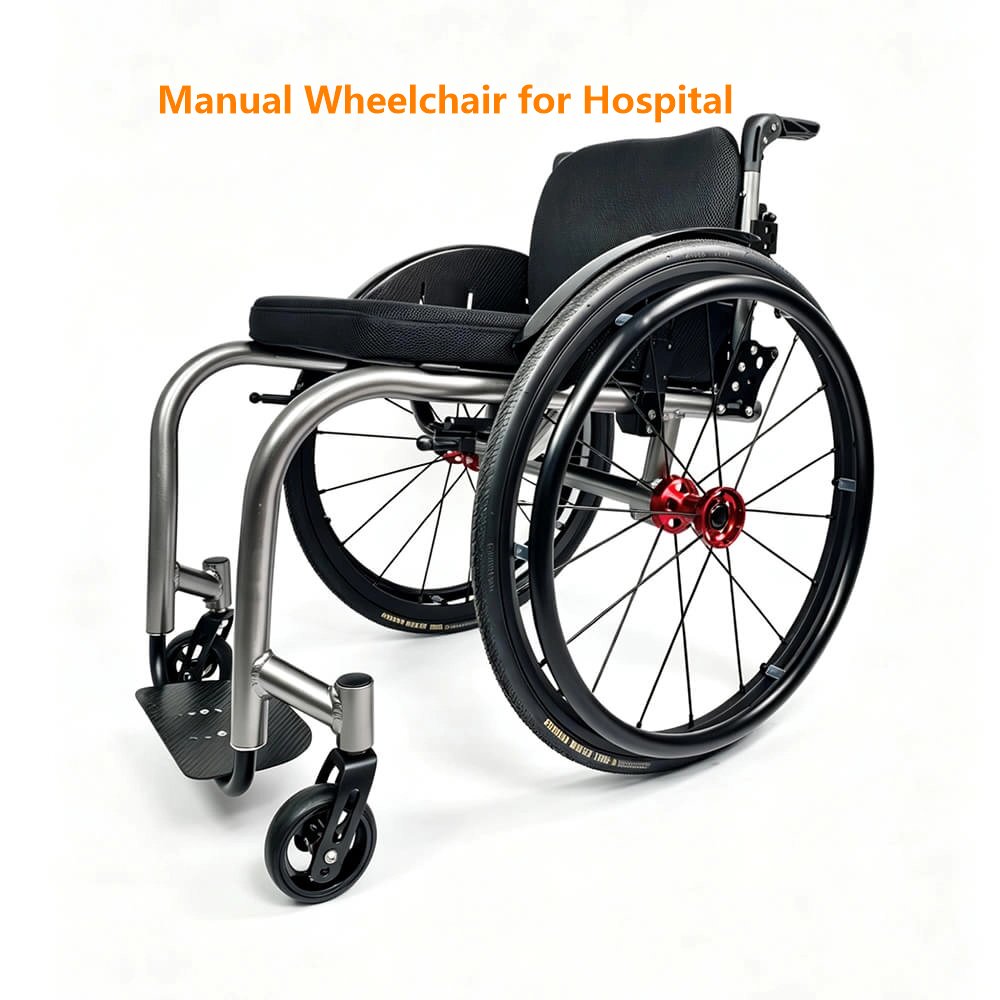
Hospitals rely on dependable equipment every single day. Among the most frequently used items is the manual wheelchair. From admitting a patient to transporting them between departments, from discharge to outpatient visits, a manual wheelchair for hospital use must be safe, durable, and easy to operate under constant pressure. Unlike a wheelchair used by a single person at home, a hospital wheelchair may be used by dozens of different patients each week, which places very different demands on its design.
Elesmart has been working in the medical equipment industry since 2011, supported by a technical team whose members each bring over 25 years of experience. The company is best known as an expert supplier of electric handbikes and wheelchair power attachments, yet its understanding of wheelchair users and clinical environments informs every product it develops. That experience is valuable when selecting manual wheelchairs that meet the demanding standards of hospitals and healthcare facilities.
A hospital wheelchair is a shared resource. It is pushed by nurses, porters, and orderlies, occupied by patients with very different body types and conditions, and moved through corridors, lifts, ramps, and crowded waiting areas. It must withstand heavy use, frequent cleaning, and constant movement.
The most important requirements for hospital use include:
Durability. A strong frame and quality components that survive years of intensive use.
Easy manoeuvrability. Smooth castors and responsive steering for tight corridors and lifts.
Safety. Reliable brakes, anti-tip bars, and stable construction.
Infection control. Materials that are easy to clean and disinfect.
Comfort. Adequate padding and support for patients during transport.
Low maintenance. Simple design that reduces downtime and repair costs.
Patient safety is the highest priority in any hospital. A wheelchair used for transport must not tip, roll unexpectedly, or fail during use. Reliable parking brakes are essential for safe transfers in and out of the chair, which is one of the most vulnerable moments for patients. Anti-tip bars prevent backwards tipping, especially when patients move or lean.
Non-slip footplates keep feet secure, and durable tyres with good grip perform well on smooth hospital floors, ramps, and outdoor paths between buildings. For facilities that transport patients outdoors, puncture-resistant tyres reduce the risk of unexpected flats and delays.
Hospital patients may be recovering from surgery, managing chronic conditions, or dealing with acute illness. Comfort during transport matters. A padded seat and backrest, adjustable armrests, and a properly positioned footrest help maintain a healthy sitting posture and reduce discomfort.
For patients who need to keep their legs elevated — for example, after orthopaedic surgery or to manage swelling — a leg rest is valuable. A headrest provides additional support for patients with limited neck control or low stamina. These features help hospitals provide better care while reducing strain on staff.
Infection control is a critical concern in hospitals. Wheelchairs should be made from materials that can be wiped down and disinfected easily. Smooth surfaces, non-porous upholstery, and removable or replaceable cushions all help maintain hygiene standards. Frames that resist rust and corrosion are important in environments where cleaning agents are used frequently.
Hospital staff are often under time pressure. A wheelchair that is easy to push, steer, and fold saves time and reduces physical strain. Lightweight frames and quick-release wheels make transport faster and simpler. Wheelchairs that stack or fold compactly help hospitals manage storage space in busy departments.
Reducing staff strain is also a safety issue. Caregivers who push heavy chairs repeatedly during long shifts are at risk of back and shoulder injuries. A well-designed, lightweight hospital wheelchair helps protect both patients and staff.
Different hospital departments have different needs. Emergency departments may require sturdy chairs for rapid transport. Radiology may need chairs that fit specific imaging equipment. Rehabilitation units may prefer adjustable models that support posture and pressure relief. Paediatric wards need smaller chairs suited to children.
Working with a factory that offers customisation means hospitals and distributors can order wheelchairs configured for specific departments, patient groups, or regulatory requirements. Custom options can include frame size, seat dimensions, armrest type, footrest design, branding, and packaging. This flexibility is valuable for large healthcare groups as well as for distributors serving multiple facilities.
While hospital manual wheelchairs are typically pushed by staff, some patients and long-term users benefit from a power attachment or electric handbike. This is particularly relevant for rehabilitation patients preparing to return home, or for outpatient transport over longer distances. Elesmart's expertise in electric handbikes and wheelchair power attachments gives the company insight into how manual and powered mobility can work together in clinical and home settings.
For hospitals, clinics, nursing homes, and medical equipment distributors, sourcing manual wheelchairs requires a reliable manufacturing partner. Consistent quality, stable supply, competitive wholesale pricing, and the ability to customise products are all essential.
A manufacturer with direct factory capabilities offers greater flexibility on specifications, order volume, and branding. This helps distributors build their own product lines, meet tender requirements, and serve local healthcare markets effectively. Elesmart welcomes global agents and partners who share the goal of improving patient mobility and care quality.
Hospital wheelchairs are used intensively, so maintenance is essential. Regular checks of tyres, brakes, castors, and fasteners keep chairs safe and extend their service life. Keeping a stock of common spare parts reduces downtime. Choosing a manufacturer that supplies replacement components and technical support protects the hospital's investment over many years.
A manual wheelchair for hospital use must be safe, durable, comfortable, and easy to maintain. The right choice protects patients, reduces strain on staff, and supports efficient daily operations. Whether you are equipping a single department, supplying a hospital network, or distributing medical equipment, working with an experienced manufacturer makes the process smoother and the results more dependable.
Elesmart continues to support hospitals and healthcare providers worldwide with high-quality mobility products and a commitment to better patient care. For product information, wholesale enquiries, customisation requests, or partnership opportunities, please contact us:
Email: info@elesmart.com
Mobile: +86 13685249056


