
Views: 0 Author: Site Editor Publish Time: 2026-08-11 Origin: Site


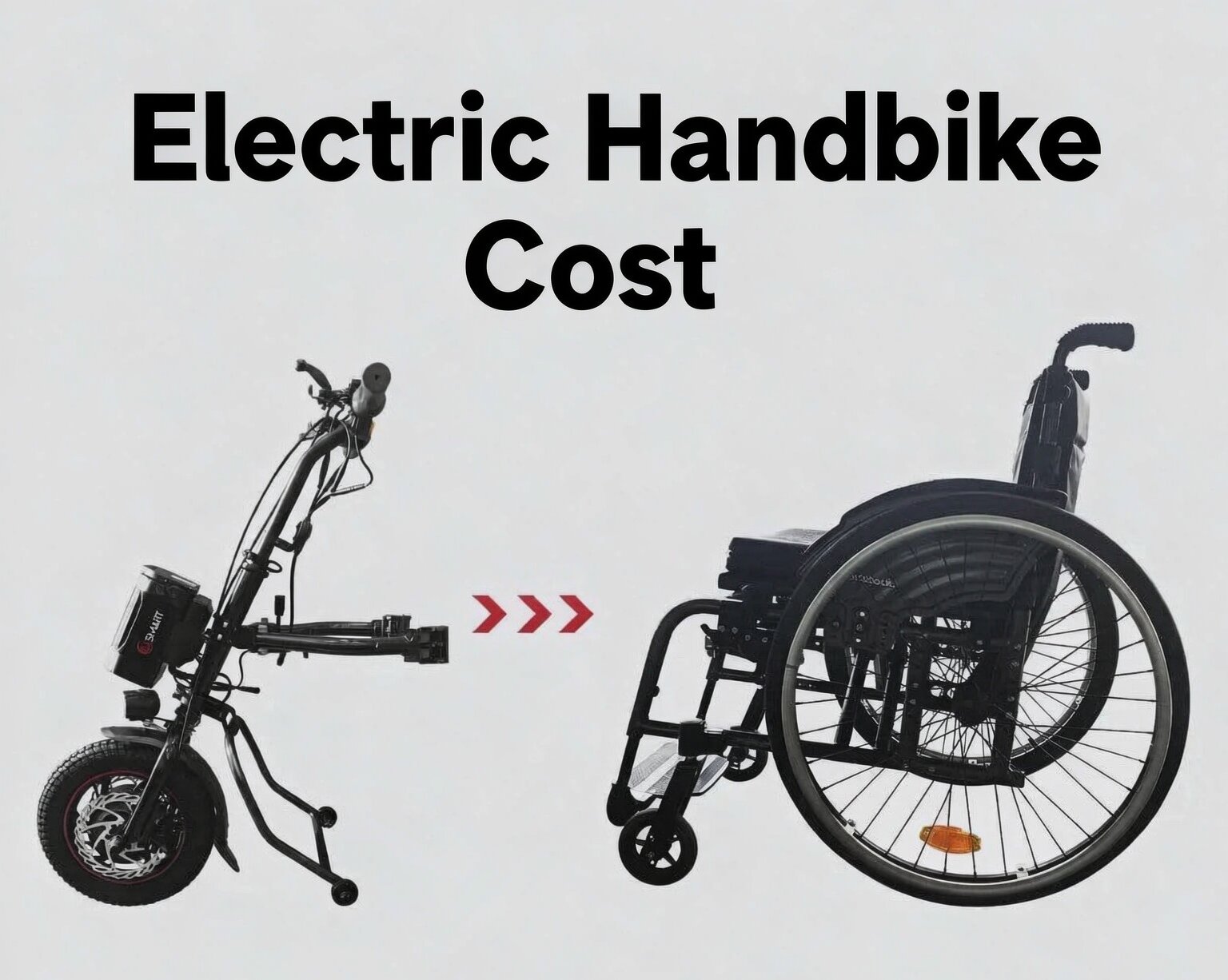
For wheelchair users seeking greater independence and mobility, an electric handbike can be a life-changing investment. But before making a purchase, one of the most common questions is: how much does an electric handbike actually cost? The answer isn't always straightforward. Electric handbike prices vary widely depending on motor power, battery capacity, build quality, brand reputation, and additional features. This comprehensive guide breaks down everything you need to know about electric handbike cost, helping you make an informed decision that balances budget with performance.
Electric handbikes—also known as electric handcycles or power wheelchair attachments—span a significant price range. At the entry level, basic models can start around $584 to $750. These affordable options typically feature smaller motors (around 350W), moderate battery capacities (8-12Ah), and essential functionality for everyday use.
Mid-range electric handbikes generally fall between $1,500 and $2,500, offering more powerful motors (500W or higher), larger battery capacities for extended range, and enhanced features like better suspension, improved displays, and more refined build quality.
At the premium end of the market, prices can reach $2,400 to $5,600 or even higher. These high-end models often come from established European or North American brands, featuring advanced engineering, superior components, longer warranties, and specialized capabilities for off-road or challenging terrain use.
Understanding why prices vary so dramatically requires examining the key components that determine manufacturing costs.
The Battery: The Most Expensive Component
The battery is arguably the single most expensive part of any electric handbike. Battery capacity directly affects range—and price. A smaller 8.8Ah battery might cost significantly less than a 20Ah high-capacity unit that can deliver 80 to 100 kilometers of travel on a single charge. Battery chemistry also matters: lithium-ion batteries are lighter, more efficient, and longer-lasting than older lead-acid alternatives, but they come at a premium.
The Motor: Power and Efficiency
Motor power and type substantially influence electric handbike cost. Entry-level models often use 250W to 350W hub motors, while more powerful options feature 500W or even 1000W motors. Geared motors, which are approximately 20% more energy-efficient than gearless motors, typically command higher prices but deliver better climbing performance and longer range per charge. For users facing hilly terrain, this efficiency translates into real-world value.
Build Quality and Materials
The frame material—usually aluminum alloy for its strength-to-weight ratio—and overall construction quality affect both cost and durability. Premium models use higher-grade alloys, precision engineering, and better finishing. Some electric handbikes weigh as little as 16 kilograms (approximately 33 pounds) , making them far easier to transport and store. Achieving this lightness without compromising strength requires more sophisticated manufacturing, which adds to the cost.
Features and Technology
Modern electric handbikes come with an array of features that can significantly impact price:
Colorful TFT displays showing speed, battery level, and other critical information
Multiple speed gears (typically 3 forward gears and 1 reverse gear)
Cruise control for maintaining constant speed with minimal effort
Built-in shock absorption for smoother rides on uneven surfaces
Each added feature increases manufacturing complexity and cost, but also enhances the user experience.
Warranty and After-Sales Support
A longer warranty often indicates higher quality and adds value to the purchase. While some budget models offer only a 12-month warranty, more reputable manufacturers provide 2-year warranties. This extended coverage provides peace of mind and reflects confidence in the product's durability.
To better understand electric handbike cost, let's compare what different price points actually deliver.
Entry-Level ($584–$750): Models in this range typically feature 350W motors, 8-12Ah batteries, speeds up to 20-25 km/h, and ranges of 30-50 kilometers. They include essential features like disc brakes, LED lights, and basic displays. These are excellent choices for users with modest daily travel needs and flat terrain.
Mid-Range ($1,500–$2,500): These models often feature 500W motors, larger batteries (12-16Ah), extended ranges of 60-80 kilometers, and improved components. They typically include TFT color displays, multiple speed settings, better suspension, and more refined ergonomics.
Premium ($2,400–$5,600+): High-end electric handbikes from established brands offer the most powerful motors, largest battery capacities, longest ranges (80-100+ kilometers), and advanced features like cruise control, superior suspension systems, and off-road capabilities. They also tend to have the best warranties and customer support networks.
When evaluating electric handbike cost, it's essential to consider the long-term value rather than just the upfront price. A more expensive model with a larger battery and more efficient motor may actually cost less over time, thanks to reduced charging frequency and longer component life.
Consider also the alternatives. Traditional power wheelchairs often cost $5,000 or more, are bulky and difficult to transport, and require specialized maintenance. An electric handbike attachment, by contrast, transforms the manual wheelchair the user already owns, eliminating the need for a separate, expensive power chair. This makes electric handbikes an exceptionally cost-effective mobility solution, even at higher price points.
Choosing the right electric handbike depends on your specific needs, terrain, and budget. Consider these questions:
How far do you typically travel daily? If your trips are short (under 30 km), an entry-level model may suffice. For longer journeys, invest in a larger battery.
What is your terrain like? Flat urban environments are forgiving on smaller motors. Hilly areas require more powerful motors and efficient gearing.
How important are portability and weight? If you frequently transport your handbike in a car, lighter models (around 16 kg) are worth the extra cost.
Do you need advanced features? Features like cruise control, TFT displays, and USB charging add convenience but increase price.
Electric handbike cost ranges from approximately $584 for basic models to over $5,600 for premium options. The price you pay reflects the quality of the battery, motor, frame, features, and warranty. While it's tempting to choose the cheapest option, consider the long-term value: a well-built electric handbike with a larger battery and efficient motor will serve you better and longer, ultimately delivering greater freedom and independence for every dollar spent.
Whether you're looking for an affordable entry-level solution or a premium model with all the bells and whistles, there's an electric handbike to fit your needs and budget. The investment in mobility is an investment in quality of life—and that's priceless.
For more information about electric handbike options and pricing, contact ELESMART:
Email: info@elesmart.com
Mobile: +86 13685249056


