


Views: 0 Author: Site Editor Publish Time: 2026-10-10 Origin: Site


Wheelchair Seat Cushion PAD: A Complete Guide to Comfort, Protection, and Mobility
A wheelchair is more than a mobility device; it is a person's seat for hours of daily life. Whether the user is working at a desk, attending school, traveling, or simply enjoying time at home, the wheelchair seat becomes their primary point of contact with the world. This makes the wheelchair seat cushion PAD one of the most important accessories a user can own. A quality pad protects the skin, improves posture, reduces fatigue, and transforms an ordinary wheelchair into a comfortable and supportive seating system.
What Is a Wheelchair Seat Cushion PAD?
A wheelchair seat cushion PAD is a specially designed cushion placed on the seat of a wheelchair to provide support, pressure relief, and comfort. Unlike a simple pillow or a generic chair pad, a wheelchair-specific pad is engineered to address the unique needs of seated users. These needs include pressure redistribution, posture stability, moisture management, and durability under continuous use.
Pads come in many forms, from basic foam models for occasional use to advanced air and gel designs for users at high risk of skin breakdown. The right pad depends on the user's body, lifestyle, and medical condition, as well as the type of wheelchair they use.
Why Every Wheelchair User Needs a Quality Pad
The human body is not designed to sit in one position for long periods. When a person sits, pressure concentrates on the sit bones, tailbone, and other bony areas. In a wheelchair, this pressure is constant and often unavoidable. Without a proper pad, the consequences can be serious.
Pressure Ulcer Prevention
Pressure ulcers, also called bedsores or pressure sores, develop when prolonged pressure cuts off blood flow to the skin and underlying tissue. These wounds can start as minor redness and progress to deep, open sores that are difficult to treat. A quality wheelchair seat cushion PAD spreads pressure over a larger area and reduces peak forces on vulnerable points. This is especially important for users with limited sensation, who may not feel the early warning signs of skin damage.
Posture and Alignment
A good pad supports the pelvis and thighs in a neutral position. This helps prevent the pelvis from tilting forward, backward, or sideways, which can lead to spinal curvature, hip discomfort, and difficulty breathing or digesting. Proper alignment also makes it easier for the user to propel the wheelchair and perform daily tasks.
Comfort and Fatigue Reduction
Comfort is not a luxury; it is a functional necessity. A comfortable user can stay seated longer, focus better, and participate more fully in work, school, and social activities. A pad that absorbs shock and cushions the body reduces fatigue and makes wheelchair use less taxing.
Skin Protection and Moisture Control
Many pads come with breathable, moisture-wicking covers that help keep the skin dry. Moisture softens the skin and makes it more vulnerable to breakdown, so managing it is essential. Some pads also feature waterproof covers for users with incontinence.
Types of Wheelchair Seat Cushion PADs
Understanding the different types of pads helps users and caregivers make an informed choice.
Foam Pads
Foam is the most common and affordable material. Standard foam provides basic comfort, while high-density and memory foam offer better durability and contouring. Foam pads are lightweight and require no maintenance, but low-quality foam can flatten over time.
Gel Pads
Gel pads combine foam with a layer of gel that flows to fill gaps and conform to the body. They offer excellent pressure relief and a cooling effect. Gel pads are heavier but very durable.
Air Pads
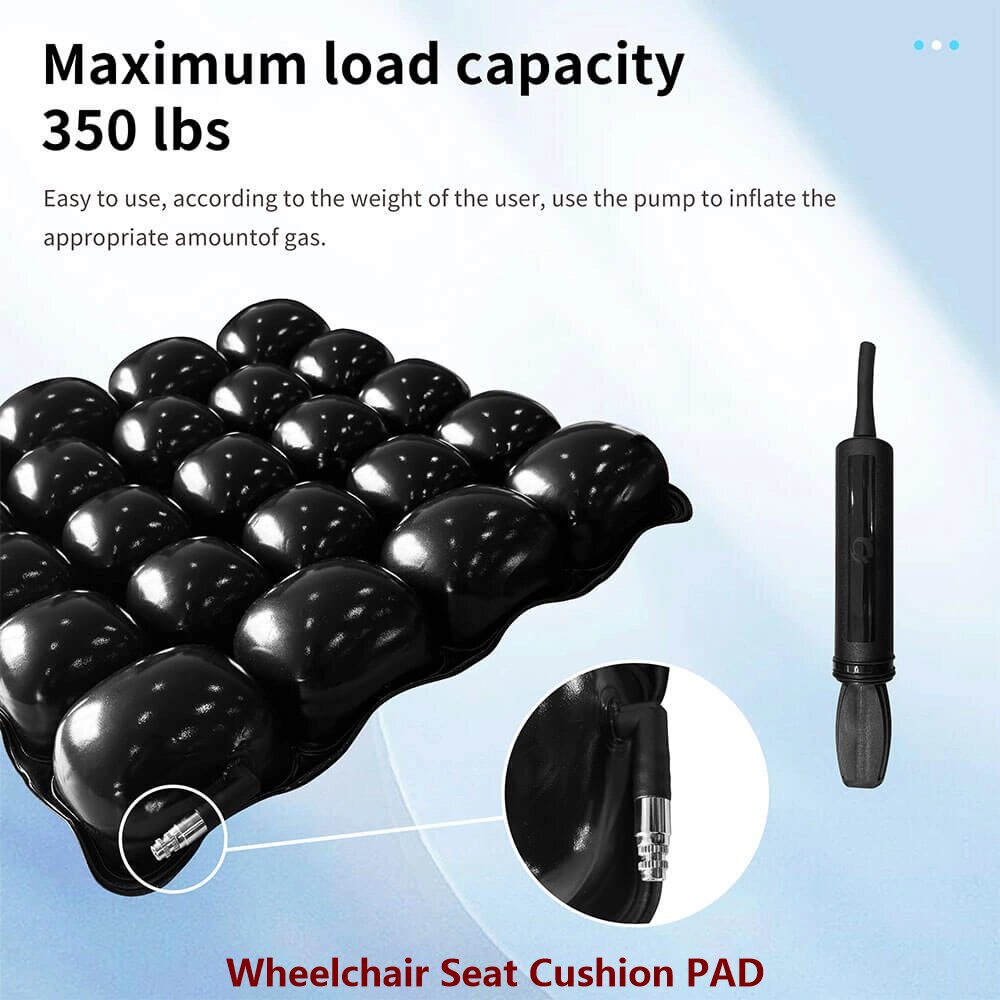
Air pads use interconnected air cells to distribute pressure dynamically. They are highly adjustable and provide superior pressure relief. However, they require regular inflation checks and can be punctured.
Hybrid Pads
Hybrid pads combine materials, such as foam and gel or air and foam, to balance comfort, stability, and pressure relief.
Key Features to Consider
When choosing a wheelchair seat cushion PAD, look for the following features:
Pressure Relief Design: Contoured shapes, cutouts, and specialized cells help offload high-risk areas.
Stability: A firm base and positioning features keep the user secure and aligned.
Weight Capacity: Always check the manufacturer's limit to ensure effectiveness.
Size and Fit: The pad should match the wheelchair seat dimensions for optimal performance.
Cover Material: Breathable, washable, and moisture-resistant covers support skin health.
Durability: A quality pad retains its shape and support over months of daily use.
Choosing the Right Pad for Different Users
The best pad depends on the individual. Users at low risk of pressure ulcers may do well with a high-density foam pad. Those at high risk, such as individuals with spinal cord injuries or a history of wounds, may need an air or gel pad. Active users should prioritize lightweight, durable designs, while users with postural challenges may need a pad with positioning features. Consulting an occupational or physical therapist is always recommended.
Daily Care and Maintenance
Proper care extends the life of the pad and protects the user.
Inspect the pad daily for wear, flattening, or damage.
Wash the cover regularly according to instructions.
Keep the pad dry and clean.
Rotate the pad to distribute wear evenly.
Replace the pad when it no longer provides adequate support, typically every six to twelve months.
Conclusion
A wheelchair seat cushion PAD is a vital investment in health, comfort, and independence. It protects the skin, supports posture, reduces fatigue, and enhances daily life. By understanding the different types, features, and care requirements, users and caregivers can choose a pad that meets their unique needs. With the right pad, a wheelchair becomes not just a means of mobility, but a comfortable and supportive place to live, work, and thrive.
For more information or to explore our range of seating solutions, please contact us at Email: info@elesmart.com or Mobile: +86 13685249056. We are dedicated to helping you find the perfect cushion pad for your needs.

