
Views: 0 Author: Site Editor Publish Time: 2026-10-14 Origin: Site


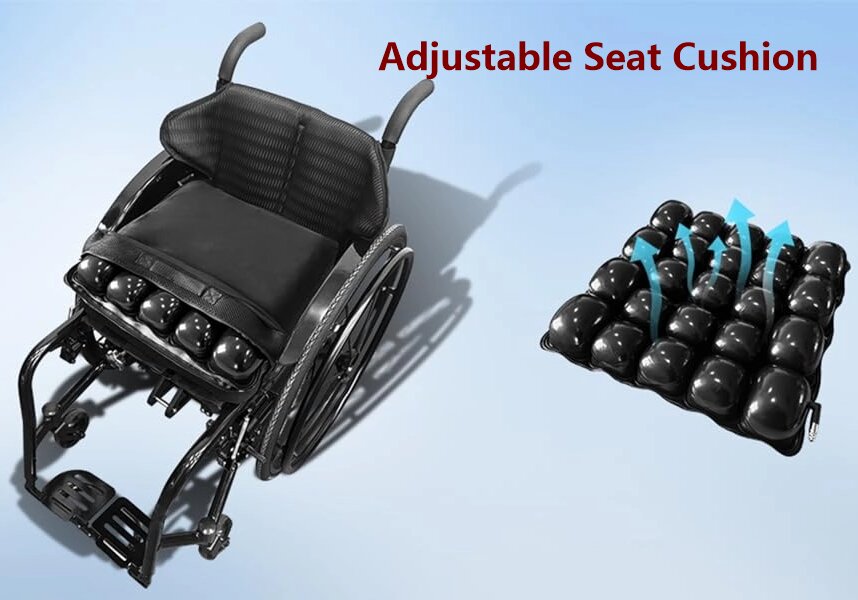
Sitting comfort is deeply personal. Two people of the same height and weight may need completely different levels of support depending on their posture, medical condition, and daily routine. This is why a fixed, one-size-fits-all cushion often falls short. An adjustable seat cushion solves this problem by allowing users to modify firmness, height, shape, or positioning to match their unique needs. For wheelchair users, office workers, and anyone who sits for long hours, adjustability can make a meaningful difference in comfort, posture, and overall well-being.
Adjustability can take several forms. Some cushions use air cells that can be inflated or deflated to change firmness and pressure distribution. Others rely on removable foam layers, allowing users to add or subtract thickness. Some designs feature adjustable straps, wedges, or contoured inserts that change the angle or shape of the seating surface. Others use gel pads that can be repositioned. The common goal is the same: to let the user fine-tune the cushion until it feels right.
This flexibility is valuable because seating needs change over time. A person recovering from surgery may need softer support initially and firmer support later. Someone who spends part of the day in a wheelchair and part of the day in an office chair may want different settings for each. An adjustable cushion adapts to these shifts without requiring a new purchase.
One of the most important reasons to choose an adjustable cushion is pressure management. Prolonged sitting reduces blood flow to the skin and underlying tissues, which can lead to pressure sores. An adjustable cushion allows users to redistribute pressure by changing the firmness or shape of the support surface. For example, inflating or deflating specific air cells can shift weight away from vulnerable areas such as the tailbone or hips.
Caregivers and healthcare professionals often recommend adjustable cushions for individuals at moderate to high risk of pressure injuries. The ability to modify the cushion means that as a person's condition changes, the cushion can change with them. This proactive approach supports skin integrity and reduces the likelihood of painful, costly complications.
Good posture is not just about looking upright—it affects breathing, digestion, circulation, and muscle fatigue. An adjustable seat cushion can help correct pelvic tilt, support the natural curve of the spine, and keep the hips level. Some cushions include adjustable wedges that raise the front or back of the seat to encourage a better sitting angle. Others allow lateral adjustments to prevent leaning to one side.
For wheelchair users, proper positioning is especially critical. Poor posture can lead to scoliosis, muscle imbalances, and reduced function. An adjustable cushion gives users and their therapists the tools to achieve a stable, symmetrical sitting position. This stability supports upper body function and makes daily activities easier.
Adjustability also means versatility. A cushion that works well at a desk may not be ideal for a long car ride or a movie theater. With an adjustable design, users can modify the cushion for different activities. Softer settings may be preferred for relaxation, while firmer settings provide more support for tasks that require stability. This adaptability makes an adjustable seat cushion a practical choice for people who move between different seating surfaces throughout the day.
When selecting an adjustable cushion, consider the following factors:
Adjustment mechanism: Air, foam layers, gel, or straps—choose a system that is easy for you or your caregiver to use.
Range of adjustment: The cushion should offer enough variation to meet your changing needs.
Pressure relief quality: Look for designs that effectively redistribute weight and reduce peak pressure points.
Durability: Materials should withstand frequent adjustment without wearing out.
Portability: If you move between wheelchairs, chairs, and vehicles, a lightweight cushion is easier to carry.
Cover: A removable, washable cover adds hygiene and convenience.
Professional guidance: Consult an occupational therapist or seating specialist for personalised recommendations.
An adjustable cushion requires some care to perform well. Air cells should be checked for leaks, foam layers should be kept clean and dry, and straps should be inspected for wear. Following the manufacturer's instructions ensures that the cushion maintains its supportive properties over time. Because adjustable cushions often cost more than basic models, proper maintenance protects your investment and extends the product's life.
An adjustable seat cushion offers a level of personalisation that fixed cushions cannot match. By allowing users to modify firmness, shape, and positioning, it supports better pressure relief, improved posture, and greater comfort across different activities. Whether for medical needs, workplace comfort, or everyday seating, adjustability empowers users to take control of their sitting experience. With the right cushion and proper care, sitting can become more comfortable, safer, and more supportive.
For more information about adjustable seat cushions and related mobility products, feel free to reach out.
Contact us:
Email: info@elesmart.com
Mobile: +86 13685249056


