
Views: 0 Author: Site Editor Publish Time: 2026-06-23 Origin: Site


Electric Handbike for Wheelchair: Unlocking Freedom, Fitness, and Everyday Mobility
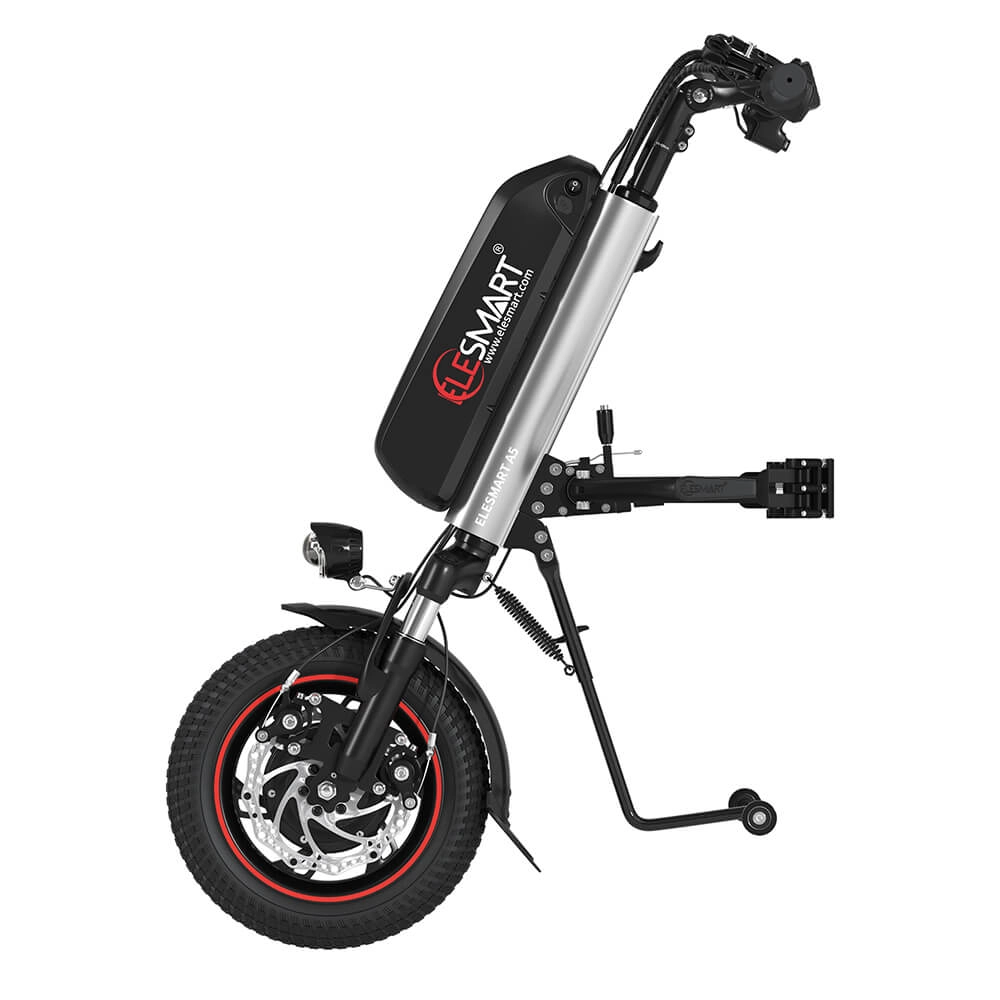
For millions of manual wheelchair users around the world, the daily reality involves navigating uneven sidewalks, conquering steep ramps, and covering long distances that can be physically exhausting. While a manual wheelchair offers independence, it also places significant strain on the upper body, limiting travel range and sometimes discouraging outdoor activities altogether. This is where an electric handbike for wheelchair transforms lives. By attaching a motorized front unit to a standard manual chair, users gain the ability to ride farther, faster, and with far less effort—opening up a world of possibilities that were once out of reach.
What Is an Electric Handbike for Wheelchair?
An electric handbike—also known as a wheelchair power attachment or electric handcycle—is a detachable device that connects to the front frame of a manual wheelchair, converting it into a three‑wheeled electric vehicle. Unlike a full power wheelchair, which is bulky, heavy, and expensive, an electric handbike preserves the lightweight, foldable nature of the manual chair while adding motorized assistance. The user sits in their own wheelchair, steering via handgrips that also control throttle, braking, and often gear shifting. The result is a hybrid mobility solution that offers the best of both worlds: the portability and familiarity of a manual chair, plus the power and endurance of an electric drive system.
Why Manual Wheelchair Users Need an Electric Handbike
Manual wheelchairs are excellent for indoor use and short trips, but they become impractical over longer distances or on challenging terrain. Pushing a chair for more than a few kilometers can lead to shoulder fatigue, wrist strain, and even chronic injuries over time. An electric handbike eliminates this problem by taking over the propulsion, allowing users to cover distances of 40 to 100 kilometers on a single charge without breaking a sweat. This not only protects joint health but also encourages more frequent outings, promoting both physical and mental well‑being.
Moreover, an electric handbike provides a sense of equality in social and professional settings. Users can keep pace with walking companions, arrive at meetings without being out of breath, and participate in outdoor activities like park visits, shopping trips, or even off‑road adventures. The psychological boost that comes from regained independence cannot be overstated—it is often described as life‑changing.
Compatibility and Installation: Designed to Fit Most Wheelchairs
One of the greatest advantages of modern electric handbikes is their universal compatibility. Reputable manufacturers design their attachments to fit the vast majority of folding and rigid manual wheelchairs. The connection point typically involves an adjustable clamp that secures to the wheelchair’s front tube, accommodating diameters ranging from 22mm to 32mm. Some models offer both side‑mounting and center‑mounting options to suit different chair geometries.
Installation is intentionally user‑friendly. Most units can be attached or detached in under five minutes without special tools. This means users can switch between manual and powered modes effortlessly—ideal for travel, where the handbike can be removed and stowed in a car trunk or carried on public transport. The lightweight construction (often 15‑20 kg including battery) further enhances portability, making it a practical choice for active lifestyles.
Key Features to Look for in an Electric Handbike for Wheelchair
When selecting an electric handbike, several technical aspects determine performance, comfort, and safety. Understanding these features helps users make an informed decision that matches their individual needs.
Motor Power and Torque
Motor wattage directly affects climbing ability and acceleration. Entry‑level models often feature 250W‑350W motors, suitable for flat urban environments. For hilly areas or off‑road use, 500W‑1000W motors provide the necessary torque to tackle gradients up to 15‑20 degrees. Higher torque (measured in Newton‑meters) ensures smooth starts and consistent power delivery, even when carrying additional weight.
Battery Capacity and Range
Battery capacity, measured in ampere‑hours (Ah), determines how far you can go. Options range from 8Ah to 20Ah, with corresponding ranges of 30‑100 kilometers depending on terrain, rider weight, and assist level. Lithium‑ion batteries are standard due to their lightweight and long cycle life. Many models feature removable batteries for convenient charging indoors, and some even include USB ports for charging personal devices on the go.
Suspension and Tires
A front suspension fork absorbs shocks from potholes, cobblestones, and dirt trails, greatly enhancing ride comfort. Pneumatic tires—preferably fat tires (4‑inch width or more)—provide superior grip and flotation on soft surfaces like grass, sand, or gravel. Disc brakes (mechanical or hydraulic) ensure reliable stopping power in all weather conditions, a critical safety feature.
Ergonomics and Adjustability
Adjustable handlebars, seat angle (relative to the attachment), and footrest positioning allow users to find their optimal riding posture. Some manufacturers offer custom handle shapes, including 3D‑printed grips for users with limited hand function. Proper ergonomics reduce fatigue and prevent pressure sores, making longer rides enjoyable rather than painful.
Smart Controls and Display
Modern electric handbikes come with intuitive control panels—often TFT or LCD screens—showing speed, battery level, assist mode, and trip distance. Multiple assist levels (e.g., eco, tour, sport, turbo) let users choose between maximum range or maximum power. Reverse gear is a valuable addition for maneuvering in tight spaces, and cruise control can be a comfort on long straight roads.
Real‑World Benefits: From Daily Errands to Weekend Adventures
The versatility of an electric handbike for wheelchair is astonishing. For daily commuters, it turns a tiring 5‑km push into a breezy 15‑minute ride, arriving at work fresh and ready. For parents, it means being able to accompany children to the park without exhaustion. For travelers, it transforms airports and train stations—long concourses become trivial.
Outdoor enthusiasts will find that an electric handbike opens up trails previously reserved for mountain bikers. Fat‑tire models easily handle forest paths, beach sand, and even light snow. Many users report rediscovering the joy of cycling, feeling the wind on their face while maintaining full control. It is not just mobility—it is recreation, fitness, and exploration rolled into one.
Health Considerations: Exercise Without Overexertion
One might assume that motorized assistance reduces physical activity, but the opposite is often true. By enabling longer rides, users actually increase their overall daily movement. Many electric handbikes offer a pedaling‑assist mode (where the user contributes some effort) or a throttle‑only mode, allowing a graduated workout. Even in full‑power mode, the act of steering, balancing, and engaging core muscles provides low‑impact exercise that improves cardiovascular health and upper‑body strength without causing overuse injuries.
Choosing the Right Electric Handbike: Factors to Evaluate
With a growing market, buyers should consider the following when selecting a model:
Terrain: Urban flat? Hilly? Off‑road? Choose motor power and tire type accordingly.
Wheelchair compatibility: Measure your front tube diameter and check the clamp range.
Battery range: Estimate your typical daily distance and add a safety margin.
Weight and portability: If you need to lift it into a car often, lighter is better.
Warranty and after‑sales support: Look for at least 1‑2 years on the motor and battery.
Customization options: Some factories offer bespoke handlebars, colors, or controller placements.
ELESMART: A Trusted Name in Electric Handbikes for Wheelchairs
ELESMART has been a dedicated manufacturer of electric wheelchair attachments for over a decade, specializing in lightweight, high‑performance handbikes that instantly upgrade any manual wheelchair. Their product line includes models tailored for various needs: the A5 for urban commuting, the A6 for enhanced daily use, and the flagship A8 Off‑Road Electric Handcycle with a 48V 1000W motor, 85Nm torque, 16‑inch fat tires, and a remarkable range of up to 100 km—perfect for adventurers who refuse to be limited by pavement.
All ELESMART handbikes feature adjustable clamping systems (22‑32mm diameter range), quick detachability, and comprehensive certifications including CE and ISO. The company also offers flexible customization—from motor power and battery size to handlebar geometry and color—ensuring that each unit meets the user’s specific requirements. With a strong export track record to Europe, North America, and beyond, ELESMART has earned a reputation for quality, reliability, and responsive customer support.
The Future of Wheelchair Mobility
As battery technology improves and costs decline, electric handbikes are becoming more accessible to a wider population. Governments and healthcare systems are increasingly recognizing their value in promoting independent living, and some insurance schemes now partially cover such devices. The market is projected to grow steadily, driven by an aging population and rising demand for active, outdoor lifestyles.
For wheelchair users, an electric handbike is not a luxury—it is a practical tool that restores freedom, reduces physical strain, and rekindles the joy of movement. Whether it is a quick trip to the grocery store, a scenic ride along the coast, or a challenging mountain trail, the right electric handbike makes it all possible.
Conclusion
An electric handbike for wheelchair is a game‑changer that combines the convenience of a manual chair with the power and range of an electric vehicle. By carefully selecting a model that fits your wheelchair, terrain, and personal preferences, you can dramatically improve your quality of life—physically, socially, and emotionally. ELESMART stands ready to provide expert guidance and premium products that are built to last.
Ready to Transform Your Mobility?
Contact ELESMART today to discuss your needs, explore customization options, or request a quote.
Email: info@elesmart.com
Mobile: +86 13685249056
Visit https://elesmart/ to view the full product range and discover how an electric handbike can unlock a new world of independence and adventure.


