
Views: 0 Author: Site Editor Publish Time: 2026-08-06 Origin: Site


Handbike Attachment Safety: A Comprehensive Guide for Secure and Confident Riding
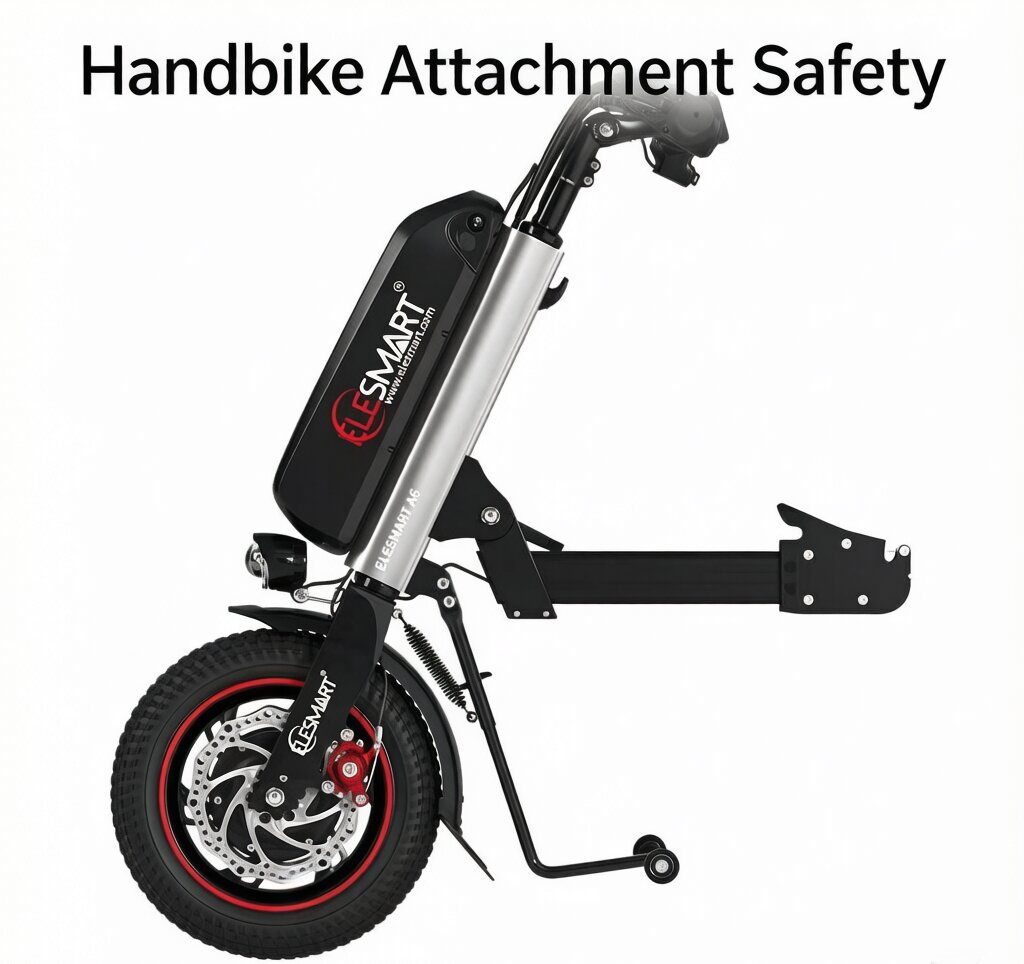
Handbike attachments have revolutionized mobility for wheelchair users, offering the freedom to explore outdoors, commute, and engage in physical activity without the need for a difficult transfer. These attachments—whether manual, electric, or hybrid—clip onto the front of a manual wheelchair, transforming it into a hand-powered or electric-assisted ride. However, with this enhanced mobility comes the critical responsibility of understanding handbike attachment safety. A secure attachment isn't just about convenience—it's about protecting the rider from accidents, equipment failure, and injury. This guide covers everything you need to know to ride safely, from connector stability to proper installation and maintenance.
The Foundation of Safety: Connector Structural Stability
At the heart of every safe handbike attachment is the connector system that couples the handbike to the wheelchair frame. Research has shown that connectors used for coupling between a handbike and a manual wheelchair must secure structural stability for occupant safety. Without a stable connection, the rider faces risks of detachment, swaying, or loss of control—especially when navigating uneven terrain or making turns.
A comparative study of three common connector types—snatch lock, slide latch, and fastener—found that the snatch lock demonstrated the lowest mechanical stress under the same conditions, making it the most structurally stable option. When choosing a handbike attachment, it's essential to understand which connector system is used and whether it has been tested for durability and strength. Many reputable manufacturers design their attachments to meet or exceed safety standards, ensuring that the connection between the handbike and wheelchair remains rigid and reliable even under dynamic loads.
Safe Installation and Attachment: Step-by-Step Best Practices
Proper installation is the single most important factor in handbike attachment safety. Whether you're attaching a manual or electric handbike, following the correct procedure prevents accidents and ensures a secure ride.
Before beginning the attachment process, always lock the brakes on both the wheelchair and the handbike. This prevents either unit from moving unexpectedly while you're securing the clamps, giving you both hands free to work safely. Make all adjustments only when the wheelchair is parked.
The attachment process typically involves positioning the handbike's clamping device over the front frame tubes of the wheelchair and tightening the clamps securely. When tightening, ensure the clamps are aligned parallel to the frame tubes—misalignment can cause damage to protective caps and compromise the connection. For electric models like the Batec, it's crucial to check that clamp levers are secure before anchoring; when resistance is felt, an additional 1/8 turn locks the travel.
After securing the clamps, push the handbike forward until the automatic locks engage on both sides. You should hear a distinct click, and both locking pins should be visibly engaged. Never assume the attachment is secure—always perform a visual and physical check before riding.
Braking Systems and Suspension: Critical Safety Features
Modern handbike attachments are equipped with advanced safety features that significantly reduce risk. Disc brakes, for instance, provide powerful and reliable stopping power—essential for controlling speed on descents or in traffic. The Elesmart A5, for example, features a radius disc brake combined with a suspension front fork, which improves both riding comfort and safety.
A reliable braking system isn't just about stopping—it's about predictable stopping. Riders should test their brakes before every ride and be aware that attachments with electric motors may have different braking dynamics than manual models. Some electric handbikes also include speed control systems and lights, further enhancing visibility and safety in various conditions.
Compatibility and User-Specific Safety Considerations
Not every handbike attachment fits every wheelchair, and using an incompatible system is a major safety hazard. Before purchasing or attaching a handbike, verify that your wheelchair frame can accommodate the attachment's clamps. Most attachments are designed to fit tube diameters between 22mm and 32mm, but ultra-light or carbon fibre frames are often not suitable because they cannot withstand the forces applied by the clamps.
The attachment process typically lifts the wheelchair's front casters off the ground, which can tilt the seat back and decrease overall stability. Riders should be aware of this change in center of gravity and practice turning at low speeds until they are comfortable with the handling characteristics. As with any three-wheeled vehicle, handbike attachments have less lateral stability than a standard wheelchair, so caution is advised when cornering at speed.
Ongoing Maintenance and Pre-Ride Checks
Safety doesn't end with proper attachment—it requires ongoing vigilance. Before each ride, inspect the clamps, locking pins, and connector for signs of wear or damage. Check that the PVC caps on the wheelchair frame are undamaged, as damaged caps can cause harm to the wheelchair itself. Ensure that all fasteners are secure and that the braking system responds promptly.
For electric handbike attachments, battery and motor components should also be inspected regularly. Loose connections or worn wiring can lead to unexpected power loss or erratic behavior—both dangerous situations when riding.
Final Thoughts: Safety Is a Choice, Not an Afterthought
Handbike attachments offer incredible freedom and independence, but that freedom depends on a foundation of safety. From the structural stability of connectors to proper installation techniques, braking systems, and ongoing maintenance, every aspect of handbike attachment safety requires attention and care. Whether you're a first-time user or an experienced rider, never compromise on safety checks—they take only moments but can prevent life-altering accidents.
At elesmart, we are committed to providing high-quality, safety-focused handbike attachments designed with user protection in mind. Our products feature advanced braking systems, durable connector designs, and compatibility with a wide range of wheelchairs to ensure a secure and confident riding experience.
For more information about handbike attachment safety, product specifications, or to speak with our team, please reach out:
Email: info@elesmart.com
Mobile: +86 13685249056
Ride safe, ride smart—choose elesmart.


