
Views: 0 Author: Site Editor Publish Time: 2026-10-14 Origin: Site


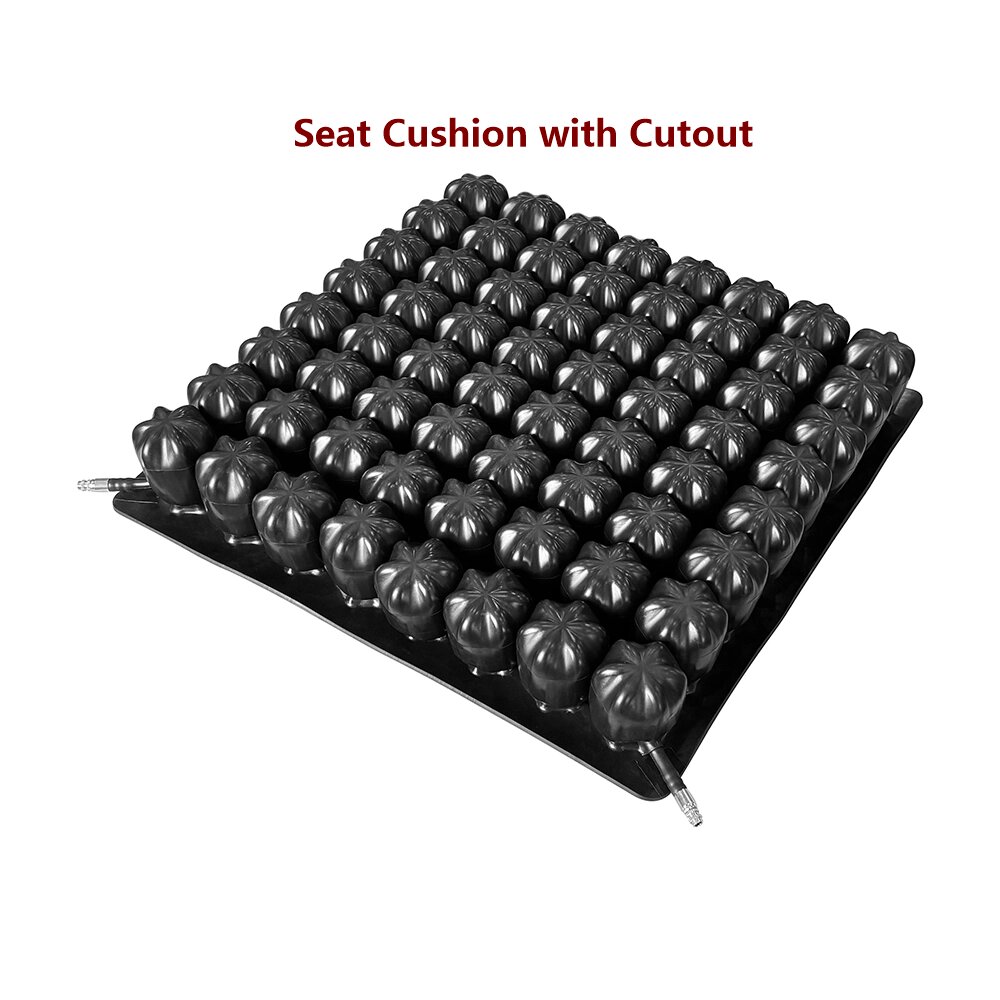
Sitting should not be painful. Yet for many people, prolonged sitting brings discomfort, numbness, or pressure in specific areas. The tailbone, the sit bones, and the perineal region are especially vulnerable. A seat cushion with cutout addresses these problem areas directly. By removing material where pressure is highest and pain is most likely, a cutout cushion provides targeted relief that a standard flat cushion cannot match. This article explains how cutout cushions work, who benefits from them, and what to consider when choosing one.
A seat cushion with cutout is a cushion that has a section of material removed to reduce pressure on a specific part of the body. The cutout may be located at the rear to relieve the coccyx, in the center to relieve the perineal area, or in a custom position to address a particular medical need. Some cushions combine multiple cutouts to protect several sensitive regions at once.
The cutout is not simply a hole. It is a carefully positioned relief zone designed to suspend the vulnerable area above the seating surface. This eliminates direct pressure and allows blood to flow freely. The surrounding cushion material continues to support the body, so the user does not sink excessively or lose stability.
When a person sits, body weight concentrates on a small number of contact points. The coccyx, or tailbone, is one of the most common sources of pain. Sitting on a hard or flat surface compresses the tissue around the tailbone, causing soreness that can persist for hours. A rear cutout removes pressure from this area entirely, allowing the tailbone to float without contact.
Similarly, the perineal area can be compressed during sitting, leading to numbness, discomfort, and reduced circulation. A central cutout relieves this pressure, which is particularly important for cyclists, wheelchair users, and anyone recovering from surgery in that region. For individuals with hemorrhoids, prostatitis, or post-partum discomfort, a cutout cushion can make sitting tolerable again.
A seat cushion with cutout is helpful for a wide range of conditions and situations:
Coccydynia: Pain in the tailbone, often caused by injury, childbirth, or prolonged sitting.
Post-surgical recovery: After procedures involving the lower spine, pelvis, or perineal area.
Hemorrhoids and fissures: Conditions that make direct pressure painful.
Prostate issues: Where central pressure causes discomfort.
Pressure ulcer prevention: For users at risk in specific areas.
Wheelchair users: Who need targeted relief while maintaining overall support.
Office workers and drivers: Who experience tailbone or perineal pain from long hours of sitting.
In each case, the cutout transforms an unbearable seating experience into a manageable one.
A common concern with cutout cushions is whether removing material compromises support. A well-designed cushion addresses this by maintaining firm, supportive material around the cutout. The goal is to relieve pressure at the vulnerable point while still providing a stable base for the rest of the body. The cutout should be positioned precisely so that the user does not slide into it or feel unstable.
Some cutout cushions use a U-shaped or horseshoe design, where the rear is open and the sides provide lateral support. Others use a central channel that runs from front to back. The best design depends on the user's body and the specific area that needs relief. A professional assessment can help determine the right configuration.
Cutout cushions are made from a variety of materials, each with different properties:
Memory foam: Conforms to the body and distributes pressure evenly.
Gel: Provides cooling and excellent pressure redistribution.
Air: Adjustable firmness and lightweight.
High-density foam: Durable and supportive for long-term use.
Combination designs: Layer different materials to optimise comfort and support.
The cover also matters. A removable, washable cover keeps the cushion hygienic and extends its life. Breathable fabrics help regulate temperature, while non-slip bases keep the cushion in place.
When selecting a seat cushion with cutout, consider the following:
Location of the cutout: Rear, central, or custom, depending on the area needing relief.
Size and depth: The cutout should be large enough to relieve pressure but not so large that it compromises support.
Firmness: The cushion should be firm enough to support the body without bottoming out.
Thickness: Thicker cushions offer more relief but may raise the seating height.
Portability: Lightweight options are easier to move between chairs.
Cover: Look for a washable, breathable, and durable cover.
Professional guidance: Consult a healthcare provider or seating specialist for personalised advice.
To get the most from a cutout cushion, position it correctly on the seat. The cutout should align with the area that needs relief. Check that the cushion does not slide during use. If the cushion is used in a wheelchair, ensure it does not interfere with transfers or mobility. Clean the cover regularly and inspect the cushion for wear. With proper care, a cutout cushion can provide lasting relief.
A seat cushion with cutout is a targeted solution for a common problem. By removing pressure from the tailbone, perineal area, or other sensitive regions, it makes sitting comfortable and safe for people who would otherwise suffer. When designed well, it balances relief with support, providing both comfort and stability. For anyone dealing with sitting-related pain, a cutout cushion is a simple, effective, and worthwhile investment.
For more information about seat cushions with cutouts and related mobility products, feel free to reach out.
Contact us:
Email: info@elesmart.com
Mobile: +86 13685249056


