
Views: 0 Author: Site Editor Publish Time: 2026-08-26 Origin: Site


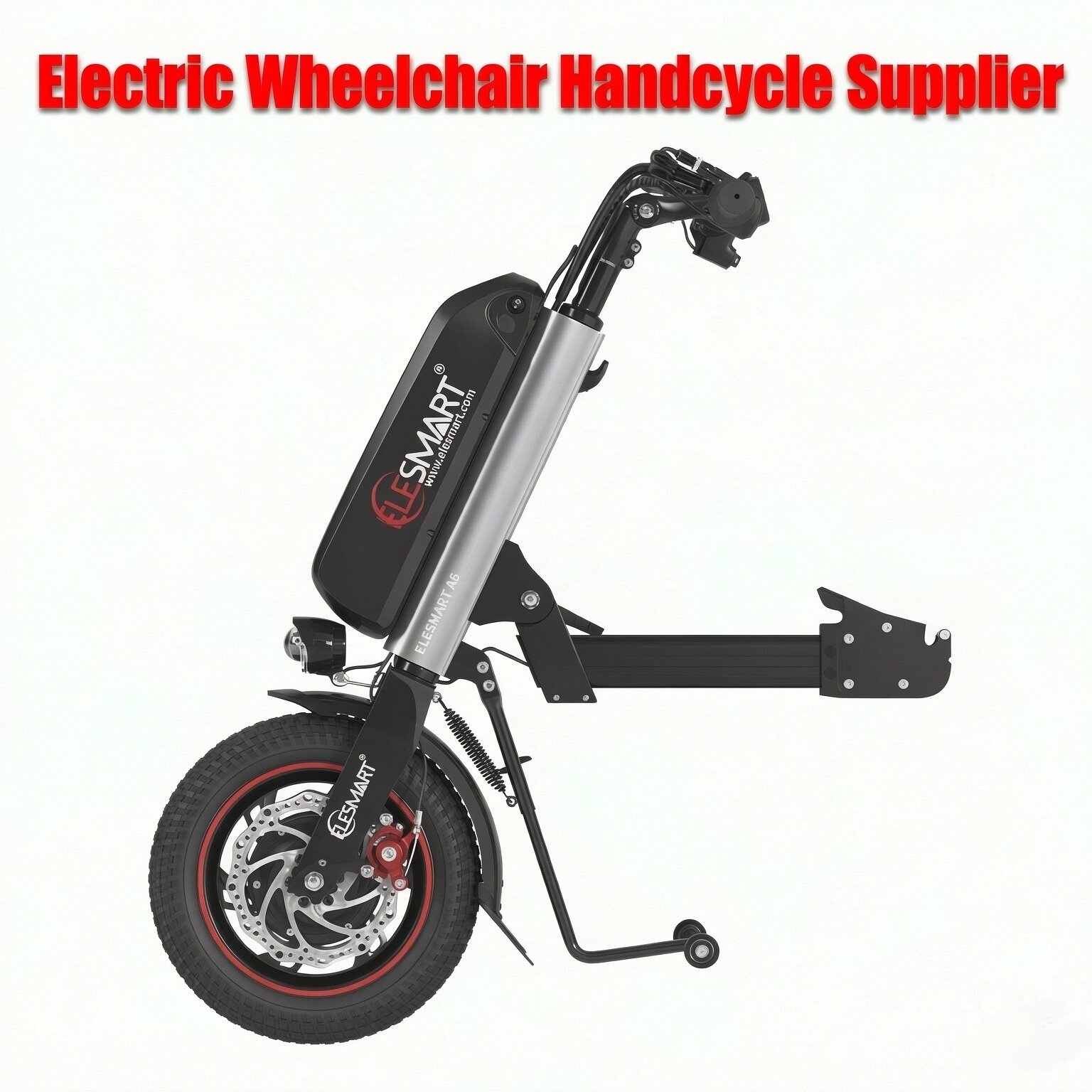
The mobility industry has experienced a revolutionary shift with the introduction of electric wheelchair handcycles, devices that transform manual wheelchairs into electrically assisted mobility solutions. These innovative attachments empower users with enhanced independence, extended range, and the ability to navigate diverse terrains. For businesses, healthcare providers, and individuals seeking reliable products, finding the right electric wheelchair handcycle supplier is a critical decision that impacts quality, safety, and user satisfaction. This guide provides a comprehensive framework for evaluating and selecting the ideal manufacturing partner.
Electric wheelchair handcycles are sophisticated devices that attach to the front of a manual wheelchair, converting it into an electrically powered tricycle-like vehicle. These systems typically consist of:
A sturdy frame with one or two front wheels
An electric motor powered by a rechargeable battery
Hand-operated controls for steering and speed management
A quick-release attachment mechanism for easy installation and removal
The electric assistance provides users with several transformative benefits:
Extended travel range: Users can cover greater distances without physical exhaustion
Terrain versatility: Hills, uneven surfaces, and longer routes become accessible
Enhanced independence: Reduced reliance on caregivers for transportation needs
Health benefits: Encourages upper body exercise while providing assistance when needed
Social inclusion: Enables participation in outdoor activities and community events
An electric wheelchair handcycle supplier serves as the vital link between manufacturing and the end-user market. Quality suppliers do more than simply provide products; they offer expertise, support, and reliability throughout the procurement process. The best suppliers distinguish themselves through:
Technical Knowledge: Comprehensive understanding of engineering principles, materials science, and ergonomic design that ensures product safety and effectiveness.
Quality Assurance: Rigorous testing protocols, adherence to international standards, and consistent production quality that builds trust with customers.
Customer Support: Responsive communication, clear documentation, and after-sales service that addresses issues promptly.
Innovation Commitment: Continuous product improvement and adoption of new technologies that keep offerings current and competitive.
Supply Chain Reliability: Consistent delivery timelines, efficient logistics, and inventory management that prevents disruptions.
The complexity of electric wheelchair handcycles requires substantial engineering expertise. When evaluating a supplier, consider their history in the mobility equipment industry:
Years of operation: Established companies often have refined processes and proven track records
Technical team qualifications: Experienced engineers with backgrounds in medical equipment design
Production capabilities: Modern manufacturing facilities with quality control systems
For instance, ELESMART, founded in 2011, demonstrates industry commitment through its team of six technical experts, each with over 25 years of experience in medical equipment manufacturing. Such depth of knowledge translates to better product design, fewer defects, and more innovative solutions.
Safety is paramount in mobility equipment. Verify that the supplier's products meet relevant international standards:
ISO 7176: International standard for wheelchair testing
EN 12184: European standard for electrically powered wheelchairs
FDA compliance: For products entering the U.S. market
CE marking: Required for European distribution
Request documentation of testing procedures, quality control protocols, and certification evidence. Reputable suppliers will willingly provide this information to demonstrate their commitment to quality.
Different users have different needs. A comprehensive electric wheelchair handcycle supplier should offer:
Multiple models: Different configurations to suit various user preferences and needs
Battery options: Standard vs. extended-range batteries
Accessories: Safety features, comfort additions, and practical add-ons
Customization: Private labeling, color options, and modifications for specific markets
Customization capabilities are particularly important for distributors and retailers seeking to differentiate their offerings.
While competitive pricing is important, evaluate the total value proposition:
Cost per unit: Compare prices across suppliers with similar specifications
Volume discounts: Understand tiered pricing for different order quantities
Warranty coverage: Longer warranties often indicate product confidence
Spare parts availability: Ongoing support reduces long-term costs
Shipping and logistics: Factor in delivery costs and lead times
The lowest price isn't always the best value. Consider the total cost of ownership, including maintenance, repairs, and potential replacement costs.
Comprehensive support ensures customer satisfaction and business continuity:
Warranty period: Standard warranties typically range from 1-2 years
Technical support: Access to engineers for troubleshooting
Spare parts availability: Consistent supply of replacement components
Training resources: Documentation and videos for product usage and maintenance
Responsiveness: Quick response times to inquiries and issues
Begin by identifying potential electric wheelchair handcycle suppliers through:
Industry trade shows and exhibitions
Online directories and B2B platforms
Referrals from industry contacts
Company websites and published materials
Once potential suppliers are identified, conduct thorough research:
Company background: Verify legal status, history, and reputation
Customer reviews: Search for testimonials and case studies
Product samples: Request samples for testing and evaluation
Factory visit: If possible, inspect facilities and production processes
When engaging with promising suppliers:
Discuss terms openly: Pricing, payment terms, and delivery schedules
Request references: Speak with current distributors or customers
Clarify expectations: Quality standards, customization requirements, and communication protocols
Draft agreements: Formalize arrangements with detailed contracts
The relationship with an electric wheelchair handcycle supplier should extend beyond single transactions. Strong partnerships offer mutual benefits:
For the Distributor:
Priority production during peak demand
Favorable pricing for loyal partners
Early access to new product developments
Shared market insights and support
For the Manufacturer:
Reliable, consistent order flow
Market feedback for product improvement
Brand expansion into new regions
Long-term business stability
Successful partnerships are built on trust, communication, and shared goals. Regular performance reviews, open dialogue about challenges, and collaborative problem-solving strengthen these relationships.
The electric wheelchair handcycle market continues to evolve rapidly. Forward-thinking suppliers integrate new technologies:
Battery improvements: Lithium-ion batteries with higher energy density
Smart features: Bluetooth connectivity, GPS integration, and health monitoring
Material innovation: Lightweight composites for improved performance
Environmental consciousness increasingly influences purchasing decisions. Suppliers implementing sustainable practices:
Use recycled or recyclable materials
Employ energy-efficient manufacturing
Reduce packaging waste
Design for product longevity and repairability
An aging global population expands the potential market for electric wheelchair handcycles. Suppliers who understand changing demographics and adapt their products accordingly serve their customers better.
Government regulations promoting accessibility create market opportunities. Suppliers who stay informed about regulatory changes help their customers remain compliant.
After thorough evaluation, select an electric wheelchair handcycle supplier that offers:
Demonstrated expertise and manufacturing excellence
Comprehensive quality assurance and regulatory compliance
Competitive pricing with transparent terms
Strong after-sales support and warranty coverage
Partnership-oriented business approach
Selecting the right electric wheelchair handcycle supplier is a strategic decision that affects product quality, customer satisfaction, and business success. By prioritizing expertise, quality, support, and partnership potential, businesses can establish relationships that drive long-term growth.
The mobility industry continues to create opportunities for businesses to make a meaningful difference in people's lives. Choosing a supplier committed to improving mobility, independence, and quality of life for individuals with disabilities aligns business success with positive social impact.
For comprehensive product information, pricing inquiries, or to begin a partnership discussion, contact ELESMART:
Email: info@elesmart.com
Mobile: +86 13685249056


