
Views: 0 Author: Site Editor Publish Time: 2026-08-26 Origin: Site


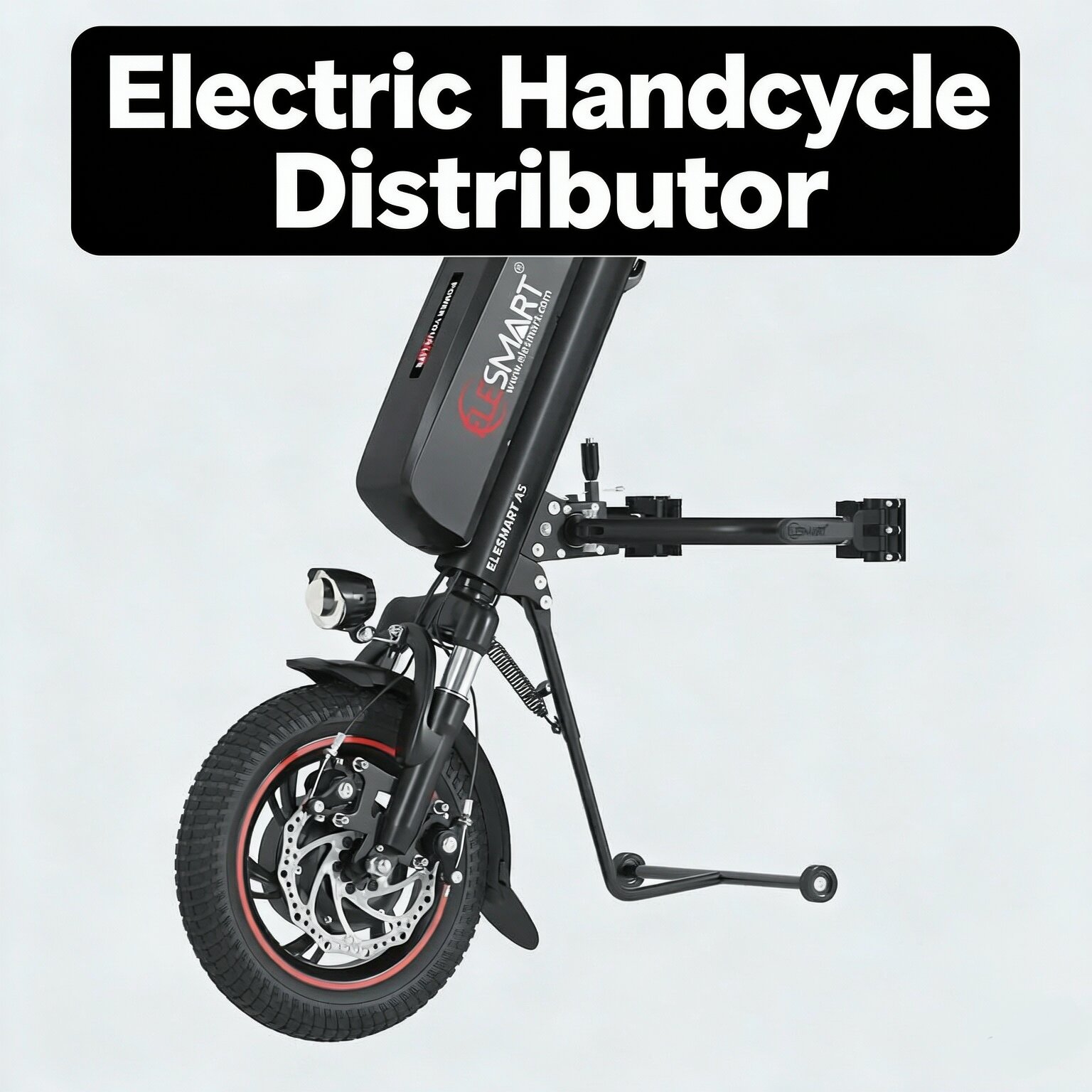
The mobility industry is undergoing a remarkable transformation, with electric handcycles emerging as a cornerstone technology for empowering individuals with disabilities. As demand for these innovative devices continues to surge, the role of the electric handcycle distributor has never been more critical. This comprehensive guide explores the opportunities, challenges, and strategies for success in this dynamic and rewarding market.
An electric handcycle distributor serves as the vital link between manufacturers and end-users, including individual consumers, healthcare facilities, and mobility equipment retailers. Distributors do more than simply move products; they provide essential value through market knowledge, logistical expertise, and customer support. As an electric handcycle distributor, you become the face of the brand in your region, responsible for educating the market, managing inventory, and ensuring customer satisfaction.
The electric handcycle market has expanded significantly beyond traditional medical equipment channels. Today, these devices appeal to a broader demographic, including active seniors, fitness enthusiasts, and individuals with varying mobility needs. This diversification creates exciting opportunities for forward-thinking distributors who can adapt to changing consumer preferences.
The foundation of any successful distribution business is the quality of the products you represent. When selecting manufacturing partners, prioritize companies with proven expertise and rigorous quality control processes. Look for electric handcycle manufacturers who employ experienced technical teams and maintain consistent production standards.
ELESMART, founded in 2011, exemplifies the type of manufacturer that distributors should seek. With six technical experts each possessing over 25 years of experience in the medical equipment industry, they demonstrate the depth of knowledge necessary to produce reliable, high-quality electric handcycles. Their mission to enhance mobility for individuals with disabilities aligns perfectly with the values that responsible distributors should promote.
As a distributor, you must thoroughly understand both the product and the market. This includes knowing the technical specifications of different electric handcycle models, understanding the needs of various user groups, and staying informed about industry trends. Many customers will rely on your expertise to guide their purchasing decisions, making your knowledge a crucial asset.
Educating customers often involves explaining the benefits of electric handcycles compared to manual alternatives, demonstrating how these devices can improve quality of life, and helping users select the right model for their specific needs. Distributors who invest in comprehensive product training and maintain deep market insights position themselves for long-term success.
Efficient supply chain management is essential for any electric handcycle distributor. This involves coordinating with manufacturers for timely deliveries, maintaining appropriate inventory levels, and ensuring that products reach customers in perfect condition. Distributors should develop robust relationships with shipping partners and understand international shipping regulations, customs procedures, and regional compliance requirements.
One innovative development in the industry is the emergence of global local inventory distribution systems, where manufacturers maintain open warehouses in key markets. This approach significantly reduces shipping times and costs for distributors, allowing faster response to customer demands and more flexible inventory management.
The choice of manufacturing partner is perhaps the most critical decision an electric handcycle distributor will make. Beyond product quality, consider these factors:
Communication and Responsiveness: A reliable manufacturer maintains open communication channels, responds promptly to inquiries, and provides clear documentation. When issues arise, you need a partner who works collaboratively to resolve them.
Customization Capabilities: The ability to customize products for different markets or customer segments can be a significant competitive advantage. Inquire about options for private labeling, color variations, and accessory packages.
After-Sales Support: Comprehensive warranty coverage, readily available spare parts, and technical support are essential for maintaining customer satisfaction. A manufacturer that stands behind its products reduces your risk and enhances your reputation.
Growth Potential: Choose a partner with a clear vision for innovation and product development. The mobility industry continues to evolve, and distributors aligned with forward-thinking manufacturers will benefit from new technologies and expanded product lines.
Different customer segments may require different approaches. Consider specializing in one or more of these areas:
Healthcare Facilities: Hospitals, rehabilitation centers, and nursing homes often require electric handcycles for patient use. These customers typically prioritize durability, safety, and ease of maintenance.
Retail Distribution: Supplying mobility equipment retailers requires competitive pricing, attractive packaging, and marketing support. These partners will appreciate products that are easy to demonstrate and sell.
Direct-to-Consumer: Selling directly to end-users allows for higher margins but requires significant investment in marketing, customer service, and fulfillment capabilities.
Government and Institutional Buyers: Many government programs and non-profit organizations provide mobility equipment to eligible individuals. Understanding these procurement processes can open substantial opportunities.
Effective marketing is essential for establishing your distribution business. Develop a clear value proposition that communicates the benefits of your products and services. Consider these strategies:
Digital Presence: A professional website with informative content about electric handcycles helps build credibility and attracts potential customers.
Educational Content: Create guides, videos, and articles that explain product features, usage tips, and industry trends. Position yourself as a knowledgeable resource.
Customer Testimonials: Share success stories from satisfied users to demonstrate the real-world impact of your products.
Trade Shows and Events: Participate in industry events to showcase products, network with potential partners, and stay informed about market developments.
In the distribution business, customer service can be your most powerful differentiator. Go beyond basic transactions to build lasting relationships:
Offer comprehensive product demonstrations and training for customers and their staff.
Provide clear warranty information and efficient claims processing.
Maintain a readily available stock of spare parts and accessories.
Follow up with customers to ensure satisfaction and address any issues promptly.
Solicit and act on customer feedback to continuously improve your offerings.
The electric handcycle market continues to evolve with technological advancements, changing demographics, and shifting consumer preferences. Distributors who stay ahead of these trends will be best positioned for growth. Key developments to watch include:
Battery Technology Improvements: Longer-lasting, faster-charging batteries will expand the practical applications of electric handcycles.
Smart Features: Integration with mobile apps, GPS tracking, and health monitoring systems will add new value to these products.
Sustainability Initiatives: Growing environmental awareness may influence manufacturing processes and materials used in electric handcycles.
Expanding Global Markets: As awareness of mobility solutions grows worldwide, new markets will emerge for electric handcycle distributors.
Becoming a successful electric handcycle distributor requires a combination of product knowledge, market understanding, logistical expertise, and strong partnerships. By aligning with reputable manufacturers like ELESMART and focusing on delivering exceptional value to customers, distributors can build thriving businesses while making a meaningful difference in people's lives.
The opportunity in the electric handcycle market is substantial. With the right strategy and partners, distributors can capture significant market share while contributing to a more inclusive and mobile society. The future of mobility is electric, and distributors play a vital role in bringing these transformative products to the people who need them most.
For more information about becoming an electric handcycle distributor or to discuss partnership opportunities, reach out to ELESMART's distribution team:
Email: info@elesmart.com
Mobile: +86 13685249056


