
Views: 0 Author: Site Editor Publish Time: 2026-07-09 Origin: Site


Understanding Manual Wheelchair Price: A Comprehensive 2026 Guide
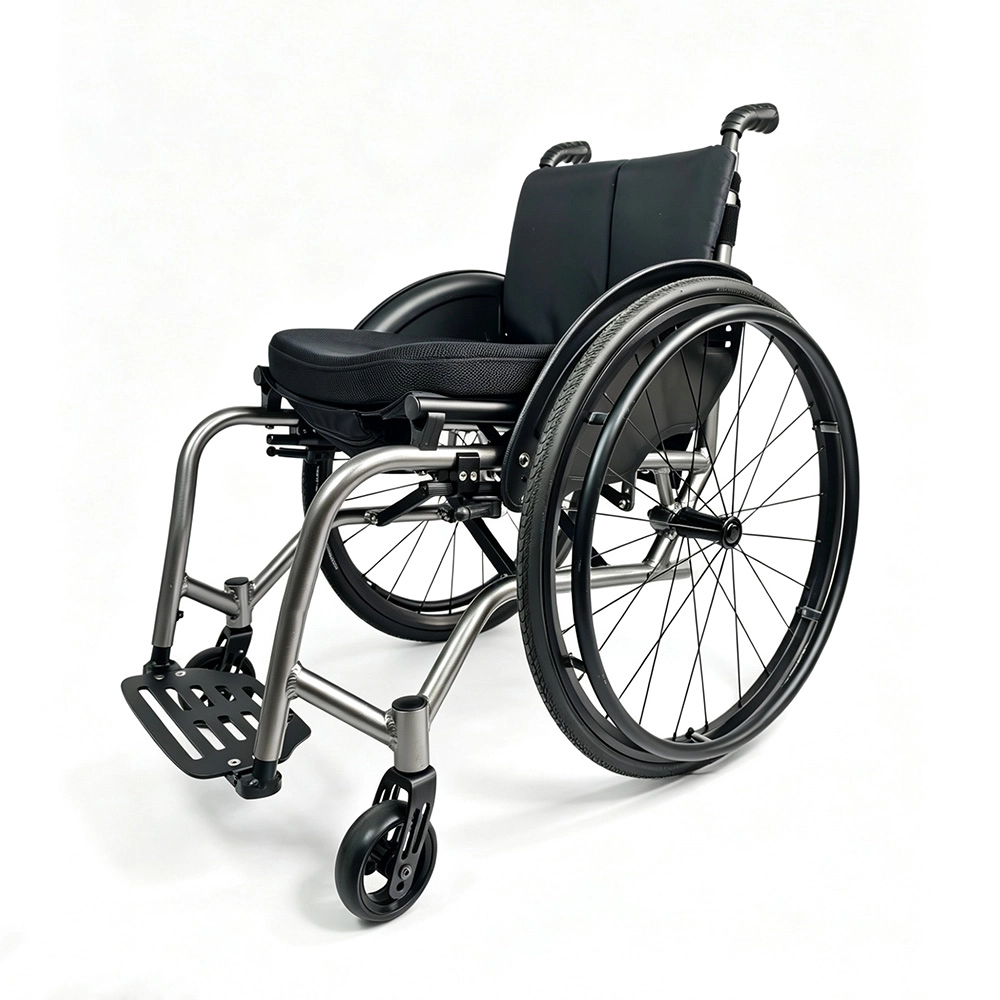
For individuals with mobility challenges, caregivers, and healthcare providers, understanding manual wheelchair price is one of the most critical steps in making an informed purchasing decision. Manual wheelchairs remain the most accessible and widely used mobility solutions globally, offering independence, portability, and reliability at various price points. As the global manual wheelchair market continues its steady growth—valued at USD 4.3 billion in 2025 and projected to reach USD 6.3 billion by 2034—knowing what drives manual wheelchair pricing has never been more important.
The Manual Wheelchair Price Spectrum
Manual wheelchair prices vary dramatically based on type, materials, and intended use. Understanding this spectrum helps buyers identify which category best suits their needs and budget.
Transit Wheelchairs: $150–$400
At the entry level of manual wheelchair price, transit wheelchairs feature small rear wheels and are designed to be pushed by a caregiver. These are the most affordable option, typically featuring steel frames that fold for easy transport. They are ideal for occasional use such as hospital visits, shopping trips, or day outings. However, they are not designed for independent self-propulsion.
Self-Propelled Wheelchairs: $350–$1,000
Self-propelled chairs represent the next tier in manual wheelchair pricing. These models feature large rear wheels with push rims, allowing users to move independently. Lightweight aluminum models are easier to push and transport but command higher prices than steel alternatives. Key features affecting price include seat width adjustability, armrest type, footrest style, and overall weight. For example, the CareCo Ergo Pro Self Propelled Wheelchair is priced at approximately £379.99, while the proLite VOLAR 10—one of the lightest manual wheelchairs available—retails at £399.99.
Active-User Wheelchairs: $1,000–$4,500
At the premium end of manual wheelchair price, active-user wheelchairs are designed for full-time or highly active users. These chairs utilize lightweight materials such as aluminum, titanium, or carbon fiber, offering extensive adjustability and custom fitting to the user’s body measurements. Brands like Quickie (Sunrise Medical), TiLite, and RGK dominate this segment. The price reflects precision engineering, premium materials, and a chair that becomes an extension of the user rather than merely a piece of equipment.
Sports Wheelchairs: $2,000–$5,000
Designed for athletic performance on courts, tracks, and beaches, sports wheelchairs feature custom fit, camber, and performance wheels. These specialized chairs represent a significant investment but provide the functionality required for competitive and recreational sports.
Key Factors Determining Manual Wheelchair Price
Several critical factors influence manual wheelchair pricing. Understanding these elements helps buyers recognize value and make cost-effective choices.
Frame Material
The frame material is one of the most significant determinants of manual wheelchair price. Steel frames are durable and economical, commonly found in budget models. Aluminum and titanium frames are lighter, stronger, and considerably more costly than steel. The material upgrade alone—from aluminum to titanium or carbon fiber—can add $800 to $1,500 to the final price. Lighter frames reduce user fatigue and make transportation easier, justifying the higher cost for many buyers.
Customization and Seating
Custom seating, positioning hardware, and ergonomic features drive manual wheelchair price significantly upward. A basic non-custom manual wheelchair starts around $100–$500. Add custom seating, and costs climb rapidly. Specialized seating and custom modifications can add $1,000 to $5,000 to the base price. Features such as contoured cushions, adjustable footrests, lumbar support, and tilt-in-space mechanisms cater to long-term users and increase cost. The price gap between a standard configurable model ($382–$1,702) and a tilt-in-space model ($1,682–$4,491) can exceed $1,300—all attributable to the tilt mechanism.
Weight Capacity
Heavy-duty (bariatric) chairs designed to support 300 lbs or more use reinforced frames and wider seating, increasing manual wheelchair price. These models require additional engineering and materials to ensure safety and durability.
Portability and Weight
Lightweight and ultra-lightweight manual wheelchairs (under 20 lbs) cost more but are meaningfully easier for daily caregivers to manage. The trade-off between weight and cost is a crucial consideration for users who frequently travel or require caregiver assistance.
Manual Wheelchair Price by Budget Tier
Understanding manual wheelchair pricing by budget tier helps buyers set realistic expectations:
Under $1,000: Basic manual wheelchairs with little to no customization, standard off-the-shelf sizing
$1,000–$2,500: Standard manual wheelchairs with upgraded cushions, light positioning support, or entry-level recline
$2,500–$5,000: High-end manual wheelchairs with real customization options including tilt, bariatric capacity, one-arm drive, or sports setup
$5,000–$10,000: Advanced power bases with multiple seating functions or specialized manual systems
$10,000–$15,000+: Top-tier complex rehab power chairs with full electronics, custom molding, and multi-function seating
The Value Proposition Beyond Price
When evaluating manual wheelchair price, it is essential to consider long-term value rather than focusing solely on upfront cost. A premium manual wheelchair—while carrying a higher price tag—offers superior durability, adjustability, and user comfort that can significantly enhance quality of life over years of daily use. Features like ergonomic design, lightweight construction, and custom fitting reduce physical strain and improve independence.
Additionally, many users may qualify for VAT relief on private purchases—chronically sick or disabled individuals pay 0% VAT on wheelchair purchases in many regions. Insurance coverage, government assistance programs, and charitable grants can also substantially reduce out-of-pocket expenses.
Making an Informed Purchase Decision
When shopping for a manual wheelchair, potential buyers should assess their specific needs against available price points. Consider the following questions:
Frequency of use: Occasional use may justify an entry-level transit chair, while daily use warrants investment in a durable self-propelled or active-user model.
Self-propulsion capability: Users with good upper body strength benefit from self-propelled models with large rear wheels.
Portability requirements: Frequent travelers should prioritize lightweight or ultra-lightweight models, even at higher cost.
Caregiver involvement: Transit wheelchairs are suitable for users who consistently have caregiver assistance.
Terrain and environment: Outdoor use may require all-terrain tires, suspension, and durable construction.
The ELESMART Commitment to Mobility
ELESMART, a brand with extensive experience in intelligent mobility solutions, is dedicated to empowering wheelchair users worldwide. While ELESMART is widely recognized for its innovative electric handcycle attachments that transform manual wheelchairs into powerful electric mobility devices, the brand’s commitment to accessibility and user independence remains unwavering. ELESMART’s products are designed to break down mobility limitations with technology, allowing every user to easily control their direction and enjoy an unrestricted travel experience.
The ELESMART power attachment system is compatible with most standard manual wheelchairs, fitting tube dimensions between 22mm and 32mm. This compatibility means users can upgrade their existing manual wheelchair—regardless of its original price—to an electric-assisted model without purchasing an entirely new chair, representing exceptional value for those seeking enhanced mobility.
As the manual wheelchair market continues to evolve toward greater customization, lightweight materials, and user-centered design, understanding manual wheelchair price dynamics becomes increasingly valuable. By considering the factors outlined above—frame material, customization level, weight capacity, and intended use—buyers can confidently navigate the market and select the manual wheelchair that best meets their needs and budget.
For more information about ELESMART mobility solutions and to explore how manual wheelchairs can be enhanced with innovative power attachments, please contact:
Email: info@elesmart.com
Mobile: +86 13685249056
ELESMART—Breaking Boundaries, Traveling Freely.


