
Views: 0 Author: Site Editor Publish Time: 2026-07-16 Origin: Site


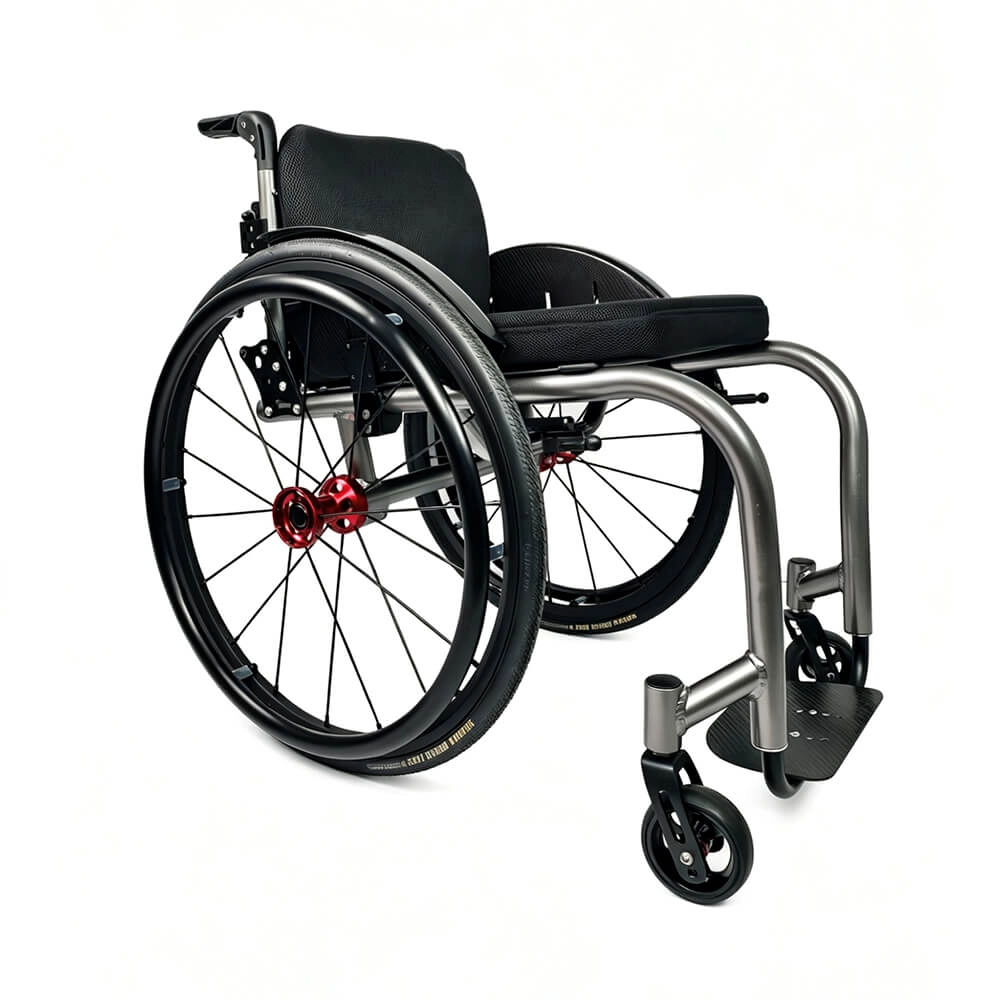
For B2B buyers, procurement managers, and medical equipment distributors, understanding the wholesale rigid wheelchair market is essential for making cost-effective, high-quality purchasing decisions. Rigid wheelchairs represent a superior category of mobility devices that prioritize performance, durability, and user efficiency. This comprehensive guide explores everything you need to know about sourcing rigid wheelchairs at wholesale prices in 2026.
A rigid wheelchair features a fixed, monolithic frame without the cross-brace mechanism found in folding variants. Unlike folding wheelchairs that collapse laterally for storage, rigid wheelchairs maintain a single-piece structure that emphasizes efficiency, durability, and energy transfer. The backrest folds down and rear wheels are easily removed for transport, but the main frame remains intact.
Rigid wheelchairs offer several distinct advantages that make them the preferred choice for active users and institutional buyers:
Superior Energy Efficiency: Rigid frames do not flex during propulsion, meaning no energy is lost in the movement of a folding mechanism. This results in more efficient pushing and reduced physical strain on users.
Lighter Weight: Without the cross-brace and folding hardware, rigid wheelchairs are typically lighter than comparable folding models. Premium models using aerospace aluminum alloys or carbon fiber can weigh as little as 5 to 9 kg.
Enhanced Durability: With fewer moving parts, rigid wheelchairs experience less wear over time and offer greater long-term reliability.
Reduced Injury Risk: The efficient propulsion mechanics of rigid frames decrease the effort required to push, potentially reducing the risk of repetitive strain injuries for users.
The global wheelchair market is experiencing significant growth, with projections reaching approximately **$6.11 billion USD in 2026** and continuing to expand at a compound annual growth rate near 10 percent through the early 2030s. The broader wheelchairs market (folding and non-folding) is expected to grow from $6.5 billion in 2025 to over $10 billion by 2032.
Regional market dynamics present distinct opportunities for wholesale buyers:
North America holds approximately 44 percent of the global market, driven by strong reimbursement systems
Europe represents an estimated $1.57 billion market with heavy reliance on imports for manual wheelchairs
Asia Pacific is projected near $1.25 billion, led by China's domestic market of approximately $0.69 billion
China manufactures approximately 60 percent of the world's wheelchairs, producing over 2.1 million units annually from more than 70 active manufacturers. Chinese suppliers have become the dominant force in global wheelchair production for several compelling reasons:
Cost Advantages: Chinese wheelchair factories offer 30 to 50 percent lower unit costs compared to comparable sources in Europe or higher-cost Asian markets. On a 100-unit order, this translates to savings of $3,000 to $10,000. On 1,000 units, buyers can recover $30,000 to $100,000 in costs.
Factory-Direct Pricing: Direct procurement from manufacturers eliminates middleman markups, enabling better margins for distributors and brand owners.
Integrated Supply Chains: Chinese manufacturers source frames, components, and upholstery domestically, reducing input costs and minimizing delays.
Economies of Scale: Factories producing thousands of units monthly spread fixed costs across larger volumes, building efficiency into unit prices.
OEM/ODM Capabilities: Chinese factories excel at private-label production and market-specific configurations without requiring full redesign cycles.
Quality Compliance: Reputable Chinese manufacturers maintain certifications including ISO 13485, CE marking, and FDA registration for US-bound shipments.
Several industrial clusters in China specialize in high-performance wheelchair production:
Guangdong Province (Guangzhou, Foshan): Known for dense networks of medical device manufacturers offering integrated supply chains and rapid prototyping capabilities, with factories specializing in premium aluminum and carbon fiber frames
Jiangsu Province (Nanjing, Changzhou): Renowned for precision engineering and strict quality control systems, frequently serving European and North American markets requiring CE and FDA compliance
Fujian (Xiamen) and Hebei: Contributing significantly to export volumes with cost-efficient manufacturing
When sourcing rigid wheelchairs wholesale, B2B buyers should evaluate suppliers based on several critical criteria:
Regulatory Compliance: Verify certifications such as ISO 13485, CE marking, and FDA registration. Request up-to-date documentation directly from the manufacturer.
Material Quality: Look for suppliers using 7000-series aerospace aluminum alloys or reinforced carbon fiber composites. Ask for detailed specifications including wall thickness, weld integrity tests, and stress-load analysis reports.
Production Capacity: Evaluate factory size, workforce, automation level, and inventory turnover to ensure scalability.
Customization Options: Assess the supplier's ability to accommodate private labeling, custom configurations, and specific market requirements.
Sample Evaluation: Always order physical samples before placing large orders. Conduct independent testing for weight accuracy, structural strength, and component durability.
Wholesale pricing for rigid wheelchairs varies significantly based on materials and specifications:
Lightweight Manual (8–13 kg): $120–$350
Carbon Fiber Manual (5–9 kg): $600–$1,500
Sports Models (6–12 kg): $700–$4,000
For ultra-lightweight rigid wheelchairs with aluminum frames, flip-back arms, and swing-away footrests, wholesale quotations from Chinese suppliers typically range around $185 per unit for orders of 50 units. High-volume orders often qualify for additional discounts and full certification packages.
Premium international rigid wheelchair brands command significantly higher prices. The RGK Tiga, a made-to-measure rigid lightweight wheelchair, is priced at approximately £3,663 (excl. VAT). The TiLite TRA, featuring a titanium frame with swept-in dual-tube design, represents the premium end of the market.
Understanding the distinction between rigid and folding wheelchairs helps B2B buyers serve their customers effectively:
Rigid Wheelchairs offer superior energy transfer, lighter overall weight, and enhanced durability—ideal for active users who prioritize performance. They are preferred for rehabilitation centers, sports programs, and users with active lifestyles.
Folding Wheelchairs excel in portability and storage, making them ideal for frequent travelers or those with limited space, though they may compromise slightly on weight efficiency and durability.
Research suggests that rigid frame manual wheelchairs are often preferred due to fewer moving parts and lighter weight construction, both contributing to more efficient propulsion.
At Elesmart, we understand that sourcing rigid wheelchairs at wholesale prices requires more than just competitive pricing—it demands quality, reliability, and partnership. Our commitment to manufacturing excellence and customer satisfaction makes us a trusted choice for distributors, procurement managers, and medical equipment providers worldwide.
Whether you need lightweight aluminum rigid wheelchairs for institutional supply, carbon fiber models for premium markets, or custom OEM solutions for your brand, Elesmart delivers quality products that meet international standards.
Contact Elesmart Today
For more information about our wholesale rigid wheelchair products and pricing:
Email: info@elesmart.com
Mobile: +86 13685249056
Our team is ready to discuss your bulk procurement needs and help you find the perfect rigid wheelchair solutions for your market. Reach out to us today and discover the Elesmart difference in quality, value, and service.


