
Views: 0 Author: Site Editor Publish Time: 2026-07-16 Origin: Site


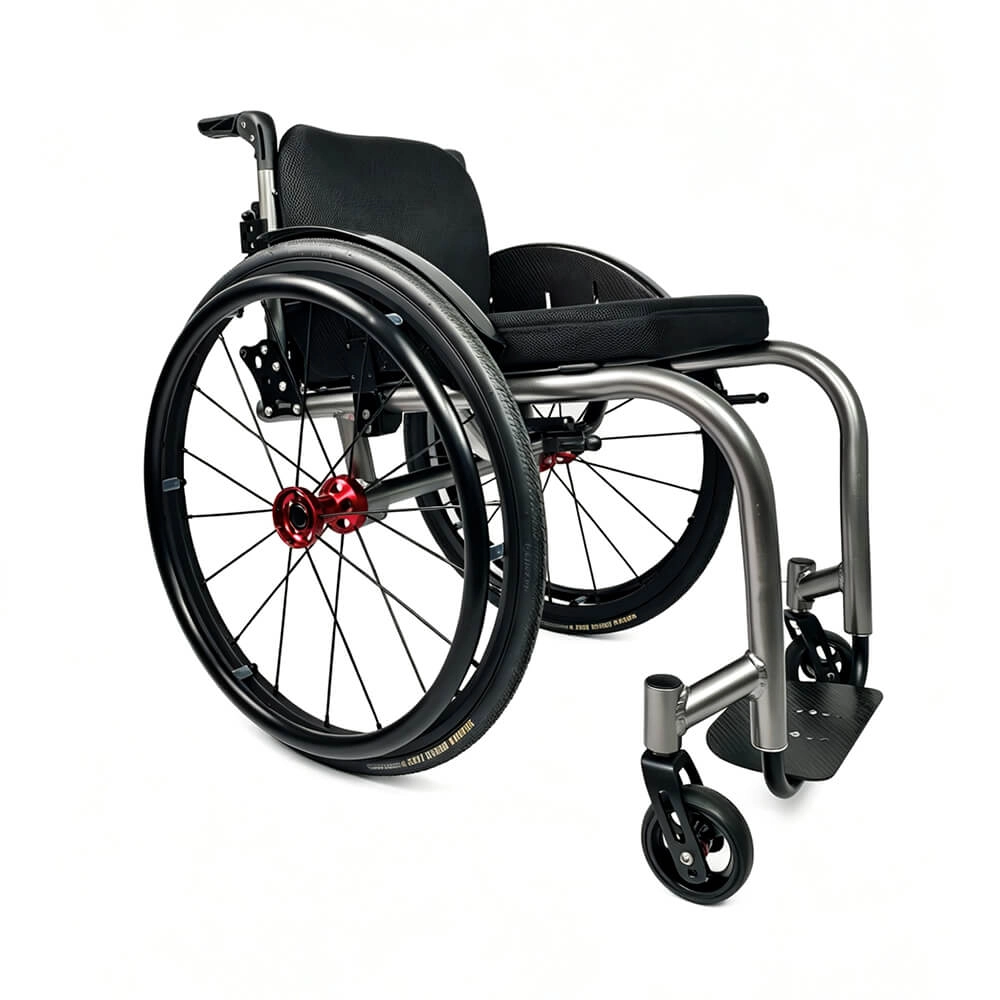
For B2B buyers, medical equipment distributors, and procurement professionals, sourcing custom rigid wheelchairs represents a strategic opportunity in a rapidly evolving global market. Rigid wheelchairs are the gold standard for active users who demand performance, durability, and efficiency. Unlike folding models, rigid wheelchairs feature a single, welded frame that eliminates energy loss during propulsion, making them the preferred choice for rehabilitation centers, sports programs, and users with active lifestyles. This comprehensive guide explores everything you need to know about custom rigid wheelchairs in 2026.
A custom rigid wheelchair is a mobility device built from the ground up to match an individual user’s precise body measurements, posture requirements, and mobility goals. Unlike standard off-the-shelf wheelchairs, which offer limited adjustability and are intended primarily for short-term or occasional use, custom rigid wheelchairs are engineered around the user. Every aspect—from seat width and depth to front frame angle and center of gravity—is tailored to optimize comfort, propulsion efficiency, and long-term health outcomes.
Modern custom rigid wheelchairs are typically manufactured using high-strength materials such as 7000-series aluminum alloys, aerospace-grade titanium, or carbon fiber composites. The DIETZ M-i, for example, uses a permanently welded frame made of high-strength 7020 aluminum, combining low weight with maximum stability. Premium models like the TiLite TRA feature titanium frames that offer a 44% strength advantage over 7000-series aluminum while providing excellent vibration dampening. At the very top end, manufacturers like RGK offer carbon fiber frames that are incredibly stiff, rigid, and up to eight times stronger than aluminum.
The global wheelchair market stands at approximately **$6.11 billion in 2026** and continues expanding at a strong pace. This growth is driven by rising numbers of older adults, more people managing chronic conditions such as arthritis or stroke recovery, and greater emphasis on independent living at home. The self-propelled manual wheelchair segment alone is expected to grow from $6.2 billion in 2025 to $9.6 billion by 2032, with a compound annual growth rate of approximately 6.5%.
Within this expanding market, customization has emerged as a key differentiator. Industry analysts note that the global wheelchair market is moving toward intelligent, lightweight, and customized solutions. Distributors who can offer custom rigid wheelchairs gain the ability to respond faster than competitors who rely solely on standard catalog items. Successful OEM and ODM partnerships let you adjust seat widths, frame colors, or control systems to match local user needs or tender specifications.
North America holds a large share of the global market, while Asia-Pacific and Europe show steady demand for both manual and powered models. Recent analyses also highlight that supply chain resilience has become the defining challenge for medical device and mobility companies in 2026, making reliable custom manufacturing partnerships more valuable than ever.
Custom rigid wheelchairs offer an extraordinary range of personalization options. The DIETZ M-i, for instance, is based on precise measurements taking up to 29 individual measurements at the medical supply store.
Frame Geometry: Customization begins with the frame itself. Options include custom frame depth (specified independently of the seat), front frame angle (to position the body, legs, and knees for maximum comfort and stability), and seat taper (customizing the front seat width independent of the rear seat width to better conform to the user's body shape). Some manufacturers offer V-front ends that fit the shape of the legs more naturally, as well as ergonomic seats with a bend in the rear frame that creates a well for the pelvis, increasing seat stability.
Materials: Users can choose from aluminum, titanium, carbon fiber, and even magnesium, which are combinable as desired. Aluminum remains a top choice due to its lightweight nature and cost-effectiveness. Titanium offers excellent impact resistance and superior vibration dampening. Carbon fiber provides inherent vibration dampening, a near-infinite fatigue life, and significant weight savings.
Seating and Positioning: Custom seating systems are critical for comfort and pressure relief. Options include ergonomic seat and back solutions, individually adjustable tilt points, and fold-down backrests. Premium manufacturers like TiLite offer TiFit custom seating, where each chair is fully bespoke built to the user’s measurements.
Aesthetics: Beyond function, custom rigid wheelchairs offer extensive style options. The Küschall K-Series, for example, offers more than 100 design possibilities, including 12 frame color options and custom decal designs. Carbon and titanium finish options, custom upholstery, and rigid backrests are also available.
Custom rigid wheelchairs deliver advantages that standard or folding models simply cannot match:
Superior Propulsion Efficiency: Rigid frames do not flex during propulsion, meaning no energy is lost in the movement of a folding mechanism. The efficiency of propulsion tends to be greater in a rigid frame wheelchair than in a folding wheelchair because rigid frames are typically manufactured of lighter materials and have fewer moving parts.
Reduced Injury Risk: The efficient propulsion mechanics of rigid frames decrease the effort required to push, potentially reducing the risk of repetitive strain injuries for users.
Enhanced Comfort and Postural Support: Custom-made rigid chairs provide more support for the spine and an improved fit, which increases comfort and reduces the risk of pressure sores. Tailored geometry ensures postural support is maintained throughout the day.
Exceptional Durability: With fewer moving parts, rigid wheelchairs experience less wear over time and offer greater long-term reliability. Titanium frames, for instance, have a far greater ability to bend without breaking, elongating by up to 25% compared to around 8% for aluminum.
Lightweight Design: Rigid frame wheelchairs are typically lighter than comparable folding models. Some ultra-lightweight rigid wheelchairs can weigh as little as 10 lbs without wheels, making them effortless to lift, handle, and stow in vehicles.
Custom rigid wheelchair pricing varies significantly based on materials, features, and the depth of customization. The full range of the custom wheelchair market spans from $1,500 to over $30,000.
Light Custom Manual (ultralight, upgraded cushions): $800 – $1,500
Advanced Custom Manual (ultralight, specialized seating): $1,500 – $5,000+
Sports / Performance Wheelchairs (custom fit, camber, performance wheels): $2,000 – $5,000
Premium International Brands: The TiLite TRA, featuring a titanium frame and TiFit custom seating, is priced at approximately £3,516 (excl. VAT). The Wolturnus Dalton, a highly customizable active rigid wheelchair, starts from £2,750. The Quickie Krypton Rigid, with custom-fit comfort options, starts from £4,695. As a general guideline, most buyers spend an additional £500 – £2,000 on customization options for active wheelchairs.
For B2B buyers sourcing from Chinese manufacturers, wholesale prices are significantly more competitive. Factory-direct pricing for custom rigid wheelchairs typically ranges from $120 to $350 for lightweight aluminum models (8–13 kg), $600 to $1,500 for carbon fiber models (5–9 kg), and $700 to $4,000 for sports models. Volume orders and OEM partnerships often qualify for additional discounts.
China manufactures approximately 60% of the world's wheelchairs, and Chinese suppliers have become the dominant force in custom rigid wheelchair production. Leading manufacturers offer two primary pathways for B2B buyers:
OEM (Original Equipment Manufacturing): The factory builds to your specifications. You own the design, the IP, and the exact configuration. OEM production typically reaches the market in four to eight weeks after artwork approval. This route keeps development costs low and timelines short, making it suitable for quick entry into new markets.
ODM (Original Design Manufacturing): Engineers help develop new or modified designs based on your specifications for dimensions, materials, or functions. ODM creates unique models that support higher margins and stronger brand positioning. The typical timeline for a full wheelchair customization workflow spans 8–12 weeks from initial brief to first production run, depending on complexity.
Chinese factories offer flexible customization including frame customization (aluminum, carbon fiber, steel), logo printing and branding, color adjustments, seat shape modifications, and feature additions. Reputable manufacturers hold ISO 13485 (medical devices), CE marking for Europe, and FDA registration for the US market.
When sourcing custom rigid wheelchairs, B2B buyers should evaluate potential partners on several critical criteria:
Regulatory Compliance: Verify certifications such as ISO 13485, CE marking, and FDA registration. Request up-to-date documentation directly from the manufacturer.
Material Quality: Ask for detailed specifications—frame tube thickness, aluminum alloy grade, and weld integrity tests. Low-quality alloys can lead to frame fatigue and safety hazards.
Customization Capabilities: Assess the supplier’s ability to handle frame geometry modifications, material selection, seating systems, and aesthetic customization.
Production Capacity and Lead Times: Evaluate factory size, workforce, and inventory levels to confirm they can meet your volume requirements without compromising quality or delivery schedules.
Sample Evaluation: Always order sample units for independent testing before committing to large contracts. Test the frame rigidity, wheel smoothness, and overall build quality under simulated use conditions.
At Elesmart, we combine years of manufacturing expertise with a relentless focus on quality and customer satisfaction. Our technical team members have been in the medical equipment industry for over 25 years. We specialize in developing and producing manual wheelchairs, electric wheelchairs, and mobility accessories.
Whether you need lightweight aluminum rigid wheelchairs for institutional supply, carbon fiber models for premium markets, or custom OEM solutions for your brand, Elesmart delivers quality products that meet international standards. Our flexible OEM and ODM services, competitive factory-direct pricing, and reliable shipping logistics make us a trusted partner for distributors, procurement managers, and medical equipment providers worldwide.
Contact Elesmart Today
For detailed quotations, product catalogues, and custom sample requests:
Email: info@elesmart.com
Mobile: +86 13685249056
Our dedicated B2B team is ready to discuss your custom rigid wheelchair requirements and help you find the perfect mobility solutions for your market. Reach out to us today and discover the Elesmart difference in quality, value, and service.


