
Views: 0 Author: Site Editor Publish Time: 2026-07-16 Origin: Site


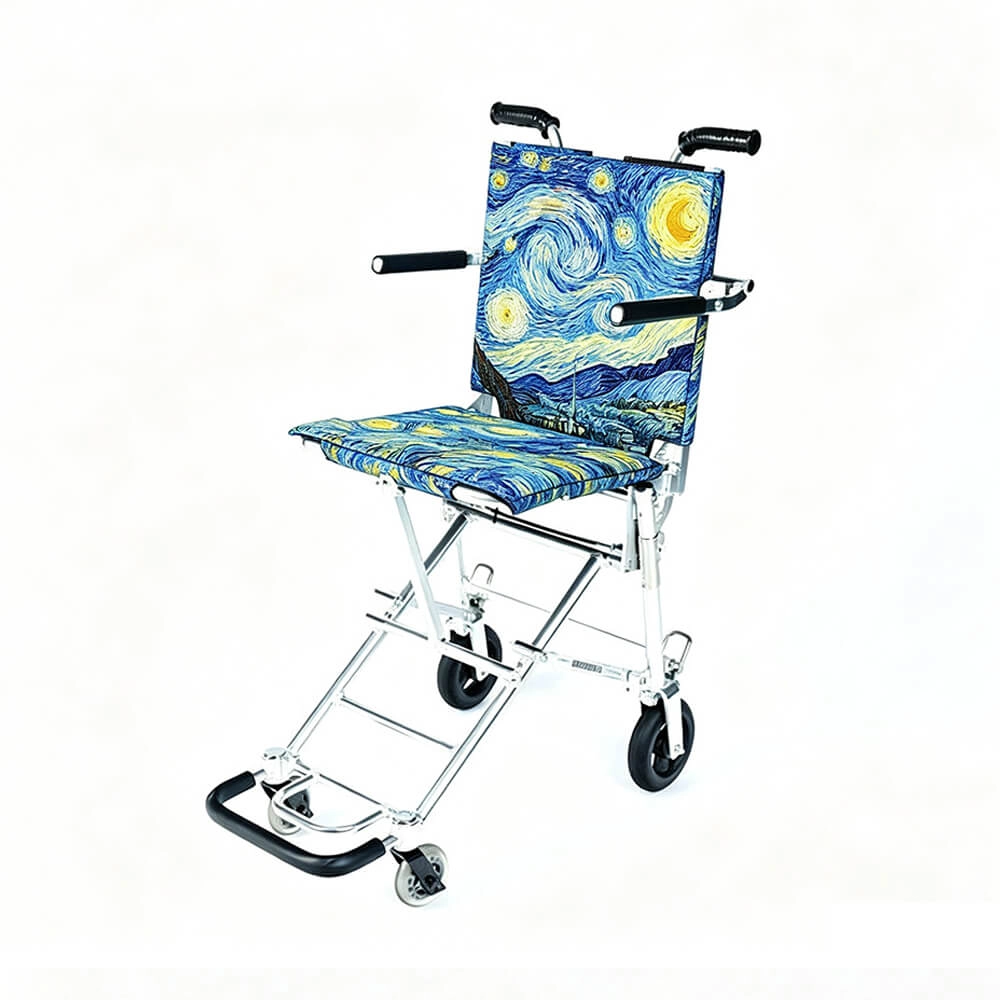
For B2B buyers, medical equipment distributors, and procurement professionals, sourcing foldable wheelchairs at wholesale prices represents a strategic opportunity in a rapidly expanding global market. Foldable wheelchairs remain the most popular mobility aid category due to their unmatched convenience, storage efficiency, and affordability. This comprehensive guide provides everything you need to know about purchasing foldable wheelchairs wholesale in 2026.
A foldable wheelchair features a collapsible frame, typically with an X‑shaped cross‑brace mechanism that allows the chair to fold laterally into a compact, flat shape. This design makes it exceptionally easy to store in car trunks, closets, or overhead compartments during air travel. Foldable wheelchairs are available in both manual and electric versions, with manual folding models being the most widely used globally due to their simplicity, lower cost, and minimal maintenance requirements.
Foldable wheelchairs offer several compelling benefits that drive their overwhelming market share:
Unmatched Portability: The ability to fold into a compact size makes these wheelchairs ideal for users who travel frequently, use public transportation, or have limited home storage space. Many models fold to dimensions that fit standard car
trunks.
Ease of Handling for Caregivers: Lightweight folding designs reduce the physical effort required to load and unload the chair, making them the preferred choice for hospitals, nursing homes, and home care settings.
Cost‑Effectiveness: Compared to rigid frame or custom‑built chairs, foldable wheelchairs are significantly more affordable to manufacture, resulting in lower wholesale and retail prices that appeal to budget‑conscious buyers and insurance providers.
Versatility Across User Profiles: From lightweight aluminium models for active seniors to heavy‑duty steel‑frame chairs for bariatric users, foldable wheelchairs come in a wide range of weight capacities and feature sets to accommodate diverse needs.
Ease of Maintenance: With standardised components and simpler mechanical structures, folding wheelchairs are easier to repair and replace parts for, reducing long‑term ownership costs.
The global wheelchair market, of which foldable models constitute the largest segment, is on a strong growth trajectory. The market is projected to reach approximately **$6.11 billion USD in 2026** and continue expanding at a compound annual growth rate of nearly 10% through the early 2030s. The broader wheelchairs market (folding and rigid combined) is expected to grow from $6.5 billion in 2025 to over $10 billion by 2032.
Regional demand patterns present clear opportunities for wholesale suppliers:
North America accounts for about 44% of the global market, driven by favourable reimbursement policies and a growing ageing population. The US alone imports hundreds of thousands of manual wheelchairs annually.
Europe represents an estimated $1.57 billion market, with a strong preference for lightweight, high‑quality folding chairs that comply with CE regulations.
Asia Pacific is the fastest‑growing region, projected near $1.25 billion, led by China’s domestic market of approximately $0.69 billion. Rapid urbanisation and increasing healthcare spending fuel demand.
Within the manual wheelchair category, folding designs dominate due to their affordability and practicality, especially in emerging economies where cost sensitivity is high.
China manufactures approximately 60% of the world’s wheelchairs, producing over 2.1 million units annually from more than 70 active factories. Chinese suppliers have become the backbone of the global wholesale foldable wheelchair market for several compelling reasons:
Significant Cost Advantage: Chinese factories offer 30 to 50% lower unit costs compared to manufacturers in Europe, North America, or higher‑cost Asian countries. On a container‑sized order of 500 units, this translates to savings of $15,000 to $50,000, directly improving margins for distributors.
Factory‑Direct Pricing: Sourcing directly from manufacturers eliminates intermediary markups, enabling competitive retail pricing while preserving healthy profit margins.
Massive Production Capacity: Leading factories produce thousands of folding wheelchairs per month, ensuring fast turnaround times and the ability to handle large‑volume orders without compromising quality.
Integrated Supply Chains: Chinese manufacturers source frames, wheels, upholstery, and hardware domestically, reducing lead times and shielding buyers from global supply chain disruptions.
OEM and ODM Flexibility: Chinese suppliers excel at private‑label manufacturing. Whether you need your own brand name, custom colours, or specific accessory configurations, factories can accommodate these requests with minimal extra cost.
Quality Certifications: Reputable Chinese manufacturers hold ISO 13485 (medical devices), CE marking for Europe, and FDA registration for the US market. Always request certification documents before placing bulk orders.
Guangdong Province (Guangzhou, Foshan): The hub for lightweight aluminium foldable wheelchairs, offering rapid prototyping and a dense network of component suppliers.
Jiangsu Province (Nanjing, Changzhou): Known for precision engineering and strict quality control, frequently serving European buyers who demand high safety standards.
Fujian and Hebei: Contribute significantly to export volumes with cost‑efficient production lines, ideal for entry‑level and value‑focused models.
Wholesale prices for foldable wheelchairs vary based on materials, weight, and additional features. As of 2026, typical factory‑direct price ranges are:
Standard Steel‑Frame Manual Folding: $55 – $120 per unit (ideal for hospital use and basic home care)
Lightweight Aluminium Manual (10‑15 kg): $120 – $280 per unit (most popular for general consumer and institutional use)
Ultra‑Lightweight Aluminium (under 10 kg): $280 – $500 per unit (premium segment for frequent travellers)
Folding Electric Wheelchairs (entry‑level): $350 – $700 per unit (growing segment with increasing demand)
Carbon‑Fibre Folding Manual: $500 – $1,200 per unit (high‑end niche market)
For a standard 50‑unit order of lightweight aluminium folding wheelchairs with flip‑back armrests, swing‑away footrests, and 8‑inch front castors, wholesale quotations from Chinese suppliers typically range around $160 – $190 per unit, with volume discounts available for orders exceeding 200 pieces.
To ensure a successful B2B partnership, procurement managers should assess potential suppliers on the following criteria:
Regulatory Compliance: Insist on ISO 13485 certification, CE documentation, and FDA establishment registration. Request copies of recent test reports for structural strength, stability, and flammability of materials.
Material Quality: Ask for detailed specifications – frame tube thickness, aluminium alloy grade (e.g., 6061 or 7005 series), and weld integrity tests. Low‑quality alloys can lead to frame fatigue and safety hazards.
Production Scalability: Evaluate the factory’s monthly output, workforce size, and inventory levels to confirm they can meet your peak season demands without delays.
Customisation Capabilities: Assess their ability to handle private labelling, packaging design, and component customisation (e.g., different seat widths, wheel sizes, or brake types).
Sample Order Policy: Always request at least one sample unit for independent testing before committing to a large contract. Test the folding mechanism, wheel smoothness, and overall build quality under simulated use conditions.
After‑Sales Support: Inquire about warranty terms, spare parts availability, and technical support for troubleshooting. A supplier that stands behind its product is invaluable for long‑term relationships.
While rigid wheelchairs offer superior energy transfer and durability for active users, foldable wheelchairs remain the default choice for the vast majority of retail and institutional buyers. They are easier to transport, simpler to store, and more budget‑friendly. For distributors serving home care agencies, rental fleets, and retail customers, folding chairs represent the highest‑volume, most consistent revenue stream.
Manufacturers are continuously innovating to make folding wheelchairs lighter and more user‑friendly. Advances in aerospace‑grade aluminium and carbon fibre composites have reduced weight to under 8 kg for some premium folding models. Quick‑release wheels, one‑hand folding mechanisms, and airline‑compliant batteries for electric versions are becoming standard features, further broadening the appeal of foldable designs.
At Elesmart, we combine years of manufacturing expertise with a relentless focus on quality and customer satisfaction. Our foldable wheelchair range covers everything from economical steel‑frame models to premium ultra‑light aluminium designs, all produced in our ISO‑certified facilities. We offer flexible OEM services, competitive factory‑direct pricing, and reliable shipping logistics to clients worldwide.
Whether you are a distributor expanding your product portfolio, a government agency procuring for public health programmes, or an online retailer seeking high‑margin bestsellers, Elesmart is your trusted partner in the wholesale foldable wheelchair market.
Contact Elesmart Today
For detailed quotations, product catalogues, and sample requests:
Email: info@elesmart.com
Mobile: +86 13685249056
Our dedicated B2B team is ready to assist you with personalised solutions that match your volume, specification, and budget requirements. Reach out now and let Elesmart help you capture the growing demand for foldable wheelchairs in 2026 and beyond.


